Oil prices rise before expected Fed rate hike as US crude stocks drop
Oil prices rose on Wednesday before an expected rate hike by the Federal Reserve, supported by another decline in US oil inventories as refineries picked up activity ahead of the winter heating seas
Reuters New York Oil prices rose on Wednesday before an expected rate hike by the Federal Reserve, supported by another decline in U.S. oil inventories as refineries picked up activity ahead of the winter heating season.
Brent crude rose $1.74, or 1.8%, to $96.39 as of 12:01 p.m. EDT (1601 GMT), while U.S. West Texas Intermediate (WTI) crude was up $1.95, or 2.2%, to $90.31 per barrel.
The broader market is likely to remain somewhat subdued ahead of the U.S. Federal Reserve's post-meeting announcement at 2 p.m. EDT (1800 GMT), when the central bank is expected to deliver its fourth, 75 basis points interest rate increase.
U.S. crude oil stocks fell about 3.1 million barrels on the week, according to federal data. Inventories of gasoline fell, while distillate stocks rose only marginally ahead of the key heating season, when demand is expected to pick up. [EIA/S]
U.S. inventories remain low across most products, worrying analysts who believe that the impending end of releases from U.S. strategic reserves will remove a source of supply that will further tighten markets.
"Every week that goes by, the U.S. is drawing hydrocarbon inventories, and that leads to the question of where does the industry turn when there are no more supplies from strategic petroleum reserve releases," said Andrew Lipow, president of Lipow Oil Associates in Houston. "That is why we are seeing oil prices being supported."
Output from the Organization of the Petroleum Exporting Countries (OPEC) fell in October for the first time since June, in addition to pumping 1.36 million barrels per day below its targets.
The potential disruption from the European Union embargo on Russian oil that is set to start on Dec. 5 may also be pushing prices higher. The ban, a reaction to Russia's invasion of Ukraine, will be followed by a halt on oil product imports in February.
China's zero-COVID policy has been a main factor in keeping a lid on oil prices as repeated lockdowns have slowed growth and pared oil demand.
An unverified note on social media said the Chinese government was going to consider ways to relax COVID-19 rules from next March, potentially boosting demand in the world's No.2 oil user.
"Despite slowing economies and China's COVID-19 woes, the odds are that the lack of supply will gain the upper hand over demand concerns in the short term. Therefore, expect oil prices to close out this year heading into triple-digit territory," PVM analyst Stephen Brennock said.
(Reporting by David Gaffen; additional reporting by Shadia Nasralla and Scott DiSavino; editing by Elaine Hardcastle and Grant McCool)
(Only the headline and picture of this report may have been reworked by the Business Standard staff; the rest of the content is auto-generated from a syndicated feed.)

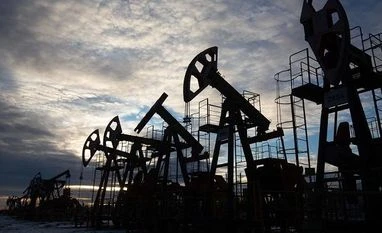 "Oil prices rise before expected Fed rate hike as US crude stocks drop")


 Connect with us on WhatsApp