Ajit Doval's China visit put off in wake of Pathankot attack
During his visit, Doval was scheduled to hold talks on key bilateral issues, including the border dispute
Press Trust of India Beijing National Security Advisor Ajit Doval's visit to China from tomorrow for talks with top Chinese leaders has been put off in the wake of the attack by Pakistani militants on the key Air Force base in Pathankot.
The visit has been put off due to scheduling problems, a Chinese Foreign Ministry official said.
Indian officials said Doval's visit will be rescheduled as he is preoccupied with the handling of the Pathankot incident.
Doval, who is also the Special Representative for Sino-India boundary talks, was due to arrive here tomorrow on a two-day visit during which he was scheduled to hold talks with his Chinese counterpart Yang Jiechi on key bilateral issues, including the border dispute.
He was also due to meet Chinese Premier Li Keqiang on Wednesday.
Both Doval and Yang are Special Representatives for holding talks on the boundary issue. So far, the two countries held 18 rounds of border talks.
Indian Ambassador to China Ashok Kantha had said Doval was due to have "strategic consultations" with the Chinese leaders.
The visit is not for the Special Representative-level talks, Kantha said.
Referring to Doval's visit, Wang Dehua, director of the Institute for Southern and Central Asian Studies told state- run Global Times that "frequent talks between the two countries will accelerate solving a dispute on the long border, including its western section with Northwest China's Xinjiang Uyghur Autonomous Region and eastern part with Southwest China's Tibet Autonomous Region".
Doval's visit to China follows frequent interactions between the two countries' top leaders in 2015.
China and India have strengthened cooperation on security issues, including solving the border dispute through talks, Fu Xiaoqiang, an expert on South Asian studies at the China Institutes of Contemporary International Relations, said.
Fu said the two countries have already agreed to solve the border dispute based on mutual understanding and accommodation but its implementation faces many difficulties, including marking the Line of Actual Control in the China-India border areas.
Wang said China and India have agreed to hold quarterly talks instead of annual talks and to enhance discussions on security issues at different levels.
A border dispute settlement could reduce conflicts between the two countries, strengthen mutual trust and maintain regional peace, Wang said.

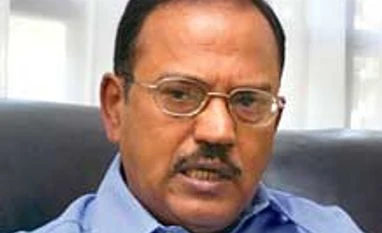 "Ajit Doval's China visit put off in wake of Pathankot attack")


 Connect with us on WhatsApp