Chinese smartphone brands Oppo and Huawei are tightening their grip on the world’s largest market, grabbing local share and squeezing out Apple Inc and Samsung Electronics.
After including Vivo, Chinese vendors held the top three slots and accounted for 48 per cent of shipments in the country during 2016, research firm IDC said.
With a line-up of flexible- and curved-screen devices, they look set to dominate the market in 2017. A decline in Apple shipments in the fourth quarter highlighted how the iPhone 7 failed to make as big a splash in the face of escalating competition.
Apple and Samsung have steadily ceded ground in China to aggressive local manufacturers since Xiaomi came on the scene around 2011. Xiaomi itself was ranked fifth in 2016, as Oppo, Huawei Technologies and Vivo phones were the top three sellers, accounting for 48 per cent of shipments last year and relegating the US company to fourth spot, IDC said in a report released Monday.
“Even though the new black coloured iPhones caught the attention of consumers, overall, the new launches did not create as much of a frenzy compared to the past,” IDC said in its report, a regular and closely watched release.
Chinese vendors are marketing higher-end gadgetry that appeals to consumers seeking Apple-like quality and innovation.
IPhone shipments plummeted 23.2 per cent in 2016, shrinking Apple’s market share to just 9.6 per cent — the lowest in about two years. Samsung didn’t even figure in the top five.
China had for years driven Apple’s spectacular growth even as smartphone demand elsewhere faltered. But the country’s slowdown, regulatory tangles and — critically — the ascendancy of cheaper but just-as-good local alternatives took its toll. The country remains pivotal to the company’s business, especially with developed markets saturated and Apple still exploring promising countries such as India, where price is king and the US company barely registers in market rankings.
Apple may regain ground with the next iPhone later this year, the 10th anniversary of the device that ushered in the modern smartphone industry. Apple is expected to showcase the best features it can bring to bear in an increasingly commoditised market.
“Apple’s 10-year anniversary iPhone will also likely attract some of the high-end Android users in China to convert to an iPhone,” IDC said.
In the meantime, local brands hold sway. Oppo, Huawei and Vivo took advantage of vast store networks as online handset sales plateaued.
Along with improved customer service and a push to open their own retail stores, especially in smaller cities, Chinese smartphone makers have moved away from budget devices.
Front runner Oppo saw shipments grow from a little more than 35 million units in 2015 to 78.4 million last year, IDC estimates. Vivo also nearly doubled its annual shipments. Overall, 467.3 million units smartphones were moved in China last year, up 8.7 per cent from 2015.
Now local vendors are setting their sights overseas.
Huawei, which sells about half its smartphones abroad, is targeting $33 billion in 2017 revenue for its consumer electronics division, which sells smartphones, wearable devices and tablets. Chinese brands, led by Vivo, have already muscled out local rivals in India and are increasingly challenging Samsung, the leader there.
“We expect these vendors to increase their shipments in the international market, with India as a key target for these top Chinese vendors,” IDC said its report.

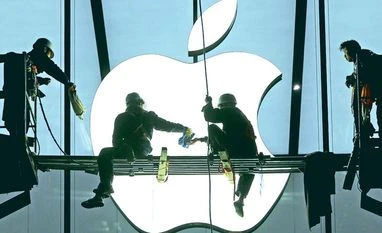 "No country for Apple? Local brands edge out global giant in China")












 Connect with us on WhatsApp