Chinese smartphones reduce market share of Indian brands to 1%

Global players have a different explanation for the disappearance of Indian phones
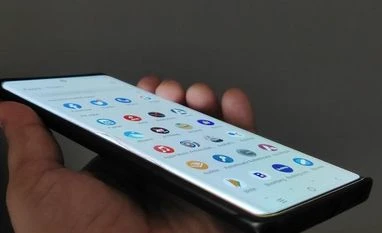
Vivo X70 Pro
Surajeet Das Gupta New Delhi
3 min read Last Updated : Jan 17 2022 | 6:01 AM IST
The onslaught of Chinese mobile brands is virtually obliterating Indian brands, especially in terms of value.

According to industry estimates based on excise and Custom duty trends, the value share of Indian brands (across smartphones and feature phones, operator phone sales — which is mostly Jio phones — and the value of phones smuggled into the country) has dropped to a mere 1.2 per cent in January-October 2021 compared to 25.4 per cent in the calendar year 2015.

In the same period, the Chinese have established their domination, hitting a value share of 64.5 per cent, up from 17.8 per cent.  Only the Indian brand Lava seems to be fighting a lone battle with the Chinese for a place in the sun.

More specifically, a similar trend can be seen in the latest volume sales figures in smart phones. Techarc, which tracks the market share of Indian vs Chinese brands (other foreign brands like Samsung have been kept out of the analysis), says that the share of Indian brands has now fallen from 68 per cent in 2015 to a mere 1 per cent in 2021.

In the same period, the Chinese brands’ volume share rose from 32 per cent to a staggering 99 per cent in 2021.

Chinese companies sold over Rs 145,000 crore of mobile phones between January-October 2021. When confronted with this, Indian mobile players say the Chinese have managed the feat through price discounting which is reflected in the large losses that they have made in India.

For instance, Vivo made losses of Rs 349 crore in FY20, up from the Rs 19 crore of the previous year, although its revenues went up by 45 per cent to Rs 25,124 crore. Oppo also hit losses of Rs 2,203 crore in FY’20 on revenues of Rs 38,757 crore.

Global players have a different explanation for the disappearance of Indian phones, arguing that the main cause is a failure to invest in research and development, keep pace with technological change, and build better products.      

The government is trying to help domestic brands through its production linked incentive (PLI) scheme in the hope of building some ‘global champions’. However, the five Indian companies (Lava, Micromax, Optiemus, Dixon, UTL Neolyncs) availing themselves of the PLI scheme have committed only 10 per cent of the total incremental production value of Rs 11.75 lakh crore under the five-year scheme. The rest will come from global vendors, mainly from  Apple in conjunction with some other global players and Samsung.

Some domestic players such as Dixon or Optiemus will merely be contract manufacturers for global brands; they are not going to add to the share of Indian brands. Only Lava plans to sell its own brand in the market and also export.

With growing tensions between India and China, the government has placed restrictions on Chinese companies by insisting on certain conditions that are difficult to comply with. The ‘trusted company’ requirement alone makes it highly improbable that Huawei can  participate in bidding for the sale of its 5G equipment to mobile operators.

The government has also banned popular Chinese apps like TikTok. The ban has helped to spawn home-grown alternatives which have filled the void. With mobile phones, though, the story has been different.

One subscription. Two world-class reads.

Already subscribed? Log in

Subscribe to read the full story →
*Subscribe to Business Standard digital and get complimentary access to The New York Times

Smart Quarterly

₹900

3 Months

₹300/Month

SAVE 25%

Smart Essential

₹2,700

1 Year

₹225/Month

SAVE 46%
*Complimentary New York Times access for the 2nd year will be given after 12 months

Super Saver

₹3,900

2 Years

₹162/Month

Subscribe

Renews automatically, cancel anytime

Here’s what’s included in our digital subscription plans

Exclusive premium stories online

  • Over 30 premium stories daily, handpicked by our editors

Complimentary Access to The New York Times

  • News, Games, Cooking, Audio, Wirecutter & The Athletic

Business Standard Epaper

  • Digital replica of our daily newspaper — with options to read, save, and share

Curated Newsletters

  • Insights on markets, finance, politics, tech, and more delivered to your inbox

Market Analysis & Investment Insights

  • In-depth market analysis & insights with access to The Smart Investor

Archives

  • Repository of articles and publications dating back to 1997

Ad-free Reading

  • Uninterrupted reading experience with no advertisements

Seamless Access Across All Devices

  • Access Business Standard across devices — mobile, tablet, or PC, via web or app

Topics :smartphonesChinese smartphonessmartphone industry

Next Story


