The electric, driverless revolution is about to hit the high seas

A breakthrough by Yara could have far-reaching implications for maritime industry, which has historically consumed the dirtiest fuels available from refineries
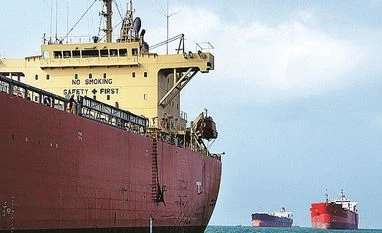
driverless maritine
Bloomberg
Last Updated : Jun 13 2017 | 10:24 PM IST
It’s not just in Google laboratories that the revolution in electric, driverless transportation is gathering pace: a Norwegian shipping company is aiming to be able to deliver cargoes by sea on unmanned vessels from 2020.

The fully electric, zero emissions YARA Birkeland will set sail next year in Europe, Oslo-based Yara International ASA said a statement Saturday. By 2019 it will be able to work by remote control and at the start of the next decade, it will be able to deliver on a fully automated basis. The container ship, being built by Kongsberg Gruppen, will transport fertiliser.

A breakthrough by Yara could have far-reaching implications for the maritime industry, which has historically consumed the dirtiest fuels available from refineries. On land, automakers are boosting their efforts to develop driverless vehicles alongside electrification. Ford Motor, Bayerische Motoren Werke and Volkswagen have said they aim to develop driverless cars by the early 2020s, while Google’s sister company Alphabet is testing technology already. Yara uses more than 100 diesel truck journeys a day to haul products from its Porsgrunn plant, in Norway, to the domestic ports of Brevik and Larvik from where it ships to customers around the world, said Svein Tore Holsether, the chief executive officer of Yara.

Yara estimates that the new vessel will reduce truck-powered haulage by 40,000 journeys a year, although the journeys in question — between Norwegian ports — are a fraction of those taken by conventional international shipping.

While shipping lanes contain less traffic than on-land roads, the maritime trade still comes with its own complications that will provide challenges for automation. Those include strong ocean currents, bad weather and — in some parts of the world — piracy. The new vessel will allow Kongsburg to test out new technology that could ultimately curb pollution from the shipping industry, which accounts for about 2.3 per cent of global emissions. The International Maritime Organization plans to release an initial plan next year to cut greenhouse gases.

One subscription. Two world-class reads.

Already subscribed? Log in

Subscribe to read the full story →
*Subscribe to Business Standard digital and get complimentary access to The New York Times

Smart Quarterly

₹900

3 Months

₹300/Month

SAVE 25%

Smart Essential

₹2,700

1 Year

₹225/Month

SAVE 46%
*Complimentary New York Times access for the 2nd year will be given after 12 months

Super Saver

₹3,900

2 Years

₹162/Month

Subscribe

Renews automatically, cancel anytime

Here’s what’s included in our digital subscription plans

Exclusive premium stories online

  • Over 30 premium stories daily, handpicked by our editors

Complimentary Access to The New York Times

  • News, Games, Cooking, Audio, Wirecutter & The Athletic

Business Standard Epaper

  • Digital replica of our daily newspaper — with options to read, save, and share

Curated Newsletters

  • Insights on markets, finance, politics, tech, and more delivered to your inbox

Market Analysis & Investment Insights

  • In-depth market analysis & insights with access to The Smart Investor

Archives

  • Repository of articles and publications dating back to 1997

Ad-free Reading

  • Uninterrupted reading experience with no advertisements

Seamless Access Across All Devices

  • Access Business Standard across devices — mobile, tablet, or PC, via web or app

Next Story



