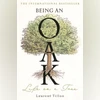
Being an Oak: Life as a Tree
Published by Ithaka Press
Laurent Tillon’s Being an Oak has been translated from the French original Être un chêne: sous l’écorce de Quercus by Jessica Moore and tells the story of nature, using a forest and an oak tree within it as its focus. The oak, which Mr Tillon names Quercus, is located in Rambouillet Forest where he has spent a considerable time in the company of nature.
Mr Tillon begins the story of Quercus 240 years ago in 1780, right from the moment Quercus, then an acorn, falls down from another, older oak tree. Written in a way that is bound to remind his readers of a novel, Mr Tillon goes on to chart the life story and the various stages in the life and growth of his beloved Quercus till 2020, when the book comes to an end. In telling us the story of Quercus, he also tells us the story of many other creatures and beings, including the lively, thriving, Silva — his name for Quercus’ home, a forest constantly abuzz with activity. The other major characters in the history of Quercus include Homos, the man; Apodemus, the wood mouse; Tortrix, the caterpillar; Canis, the wolf and many others species, each of which plays an important role in his life. Through the interlinked life stories of these creatures, Mr Tillon manages to remind his readers of the complex web of interdependent relationships that we all share with nature.
It’s not surprising to learn that apart from Homos, the relationship of all the other participants of this natural cycle remains one of harmony, co-existence, and most often of symbiosis. It is only human interference, right from the days before the French Revolution, which brings major, long-term, and not always useful, changes in nature’s rhythms. Reading Being an Oak is like immersing oneself into a world that most of us are, at best, only partially aware of. Through the life of Quercus and his neighbouring flora and fauna, we come to realise the complex and advanced processes of nature and how nature has the capacity to incessantly change, adapt and heal itself when left to its own devices.
Trees and nature teach Mr Tillon, and by extension readers, certain valuable lessons about life through the way nature behaves and takes care of its own. For instance, the book shows us that while trees might seem to be solitary and static organisms, they are actually connected through their mycorrhizal networks with other trees in the forest and share not just important elements required for their growth, but also send and receive distress signals in time of need. This leads Mr Tillon to share a profound life lesson he has learnt in the company of Quercus: “In the forest, all is shared, all is recycled, and mutual aid goes far beyond the species barrier.”
Being an Oak also shows its readers how beings in nature respect boundaries, never encroaching or claiming what’s not theirs, always co-existing with their neighbours who draw nutrients from the same soil, sun, air and water. Mr Tillon also describes how human needs and wants, in contrast, often negatively impact the forests and how old forester’s policies might be changed in keeping with the needs of the rapidly advancing populations.
It’s interesting to note that though Mr Tillon says that he doesn’t want to use anthropocentrism, he does so in the book. This, along with the usage of personal pronouns for all the beings that feature in Quercus’ life story adds to the impact of the book. Ms Moore also comments upon this usage in her Translator’s Note, pointing out that using personal pronouns for trees and animals was a deliberate choice on her part as using these can “shift our whole relationship to nature, of which we often forget we are a part.”

 "Being an Oak shows the hidden life and lessons of a 240-year-old tree")











