
Budget 2016: Modi, Jaitley have a tough balancing act to do amid worries over growth, reforms
Will his proposals ease the fiscal burden of average citizens, notably individual tax payers, is the question that comes to the forefront
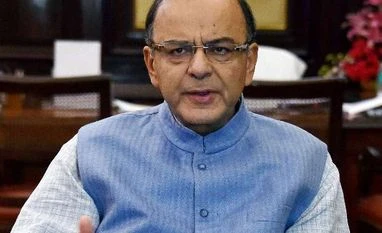 "Budget 2016: Modi, Jaitley have a tough balancing act to do amid worries over growth, reforms")
WebinarsNew
Deep DiveNew
Explore Business Standard
Will his proposals ease the fiscal burden of average citizens, notably individual tax payers, is the question that comes to the forefront
Finance Minister Arun Jaitley is set to present India's national budget for the next fiscal on Monday amid worries over the country's stagnating growth rate, government finances and direction of reforms.
Will his proposals ease the fiscal burden of average citizens, notably individual tax payers, as also of the corporate sector is the question that comes to the forefront.
In this regard, as also what extent Jaitley can go to in meeting the aspirations of the stakeholders, the Economic Survey that was tabled on Friday has already suggested re-calibration of expectations.
At the same time, how many of the recommendations made by the survey -- from rationalisation of distorting subsidies to bringing more people into the tax net -- will the finance minister pursue is what is also being closely watched.
If the stock markets are an indicator of the overall prevailing sentiments in the economy, the successive declines in key indices to their yearly lows and the volatility in trading don't portend well.
Noting the challenge posed by a global slowdown, the Economic Survey 2015-16 tabled in parliament by Jaitley on Friday lowered the economic growth forecast for the current fiscal to 7.6 percent -- from the previously projected 8.1-8.5 percent range -- mainly because of lower agricultural output due to deficit rainfall.
"The coming year is expected to be a challenging one from the fiscal point of view because of challenges posed by a lower-than-projected nominal GDP growth," said the survey.
"The chances of India's growth rate in 2016-17 increasing significantly beyond 2015-16 levels are not very high, due to likelihood of persistence of global slowdown," it said.
"The implementation of the Pay Commission recommendations and the 'One Rank One Pay' scheme will put additional burden on expenditure," it added.
Moody's Investors Service said earlier this month that the country's fiscal position will remain weaker than other emerging economies in the near term even if fiscal consolidation continued on course.
"Even if the budgetary consolidation continues, India's fiscal metrics will remain weaker than rating peers in the near term, because of the relatively high levels of deficits and debts of India's state and central governments," Moody's said in a report.
"The importance of the upcoming budget lies in its message on the government's fiscal consolidation plans," the American agency said.
India Inc. has appreciated the candid posture of this year's Economic Survey and hoped that the recommendations made in it would be reflected in the national budget.
"The Economic Survey has highlighted that India's potential growth rate is in the range of 8-10 percent and achieving the same requires a push in three critical areas which are promoting entrepreneurship and reducing the role of the state, and higher investments in health and education," said Harshavardhan Neotia, president of the industry chamber Ficci.
"The Economic Survey has rightly highlighted the need for being prepared to face any spillover of major currency adjustments in China and other Asian economies," said Sunil Kanoria, president of the Associated Chambers of Commerce and Industry of India.
First Published: Feb 29 2016 | 7:26 AM IST

