Petronet Q1 net profit falls 25%; to invest ₹6,355 cr in new LNG terminal
Net profit of Rs 850.58 crore in April-June was lower than Rs 1,141.58 crore last year, mainly because of lower volumes imported due to a fall in power demand on early arrival of monsoon
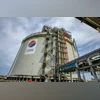
Overall, the company processed 220 TBTUs in April-June - the first quarter of the current 2025-26 fiscal - as opposed to 262 TBTUs last year. (Photo: LNG Prime)
Petronet LNG Ltd, India's largest gas importer, on Friday reported a 25 per cent drop in its June quarter net profit, and said it will invest ₹6,355 crore in setting up a new import facility at Odisha.
Net profit of ₹850.58 crore in April-June was lower than ₹1,141.58 crore last year, mainly because of lower volumes imported due to a fall in power demand on early arrival of monsoon.
The firm's Dahej liquefied natural gas (LNG) import terminal in Gujarat imported 207 trillion BTUs (British thermal unit) as compared to 248 TBtus in April-June 2024, its chief executive, A K Singh, told reporters on an earnings call.
Overall, the company processed 220 TBTUs in April-June - the first quarter of the current 2025-26 fiscal - as opposed to 262 TBTUs last year.
"LNG throughput in Q1 is lower than corresponding quarter mainly because there was a severe power requirement (in April-June 2024) which necessitated substantial LNG imports," he said, adding this year early and severe monsoon rains lower demand for electricity, and hence reduced demand for LNG (which is used to generate power).
There were also shutdowns of fertiliser plants in the quarter, he said.
He said the Dahej terminal operated at 92 per cent capacity in Q1 as compared to best ever utilisation of 110 per cent in the same period last year.
On the demand outlook, he said city gas volumes have picked up and so is the demand by the petrochemical sector.
In the second quarter (July-September), the Dahej is back to near 100 per cent capacity operation, he said.
Singh said the company board has also accorded in-principle additional investment approval for setting up of a 5 million tonnes a year land-based LNG terminal at Gopalpur. This is in place of earlier approval of 4 million-tonne Floating Storage and Regasification Unit (FSRU) based LNG terminal for an incremental project cost of ₹4,048.80 crore.
The overall approved value of the project is ₹6,354.80 crore (including taxes and duties), he said, adding it would take three years to construct the facility.
Besides Dahej, Petronet also has a 5 million tonnes a year import terminal at Kochi in Kerala, but it operates at less than a quarter of its capacity because of a lack of pipelines to take imported fuel to customers.
While the capital expenditure has increased - from ₹2,300 crore for a floated import unit (called FSRU) to ₹6,354.80 crore land-based fixed terminal, the operating expenses (opex) have substantially reduced to ₹450-500 crore, he said.
The decision to shift to a land-based terminal was also taken because of the tight market for FSRUs in view of European countries using them to import gas in place of the volumes they used to receive from Russia.
(Only the headline and picture of this report may have been reworked by the Business Standard staff; the rest of the content is auto-generated from a syndicated feed.)


 "Petronet Q1 net profit falls 25%; to invest ₹6,355 cr in new LNG terminal")


