India is considering three options after the US doubled steel and aluminium safeguard duties to 50 per cent, further straining bilateral trade ties.
“At present, there are three options on the table. We can press that the US measure is a safeguard duty and impose retaliatory tariffs. Since the US disagrees, it may retaliate. This can go on and on potentially. India can also file a dispute at the World Trade Organization (WTO), like some other countries. We can also continue to talk bilaterally and arrive at some arrangement. These are the full set of options. We are yet to take a final call,” a government official said.
Commerce and Industry Minister Piyush Goyal told reporters in Paris that the two countries will continue to work together to resolve such issues bilaterally.
“Let us wait and watch ... both the US and India share good relations, and we will continue to work together to resolve all these issues bilaterally,” he said.
On May 9, India submitted a formal notification to the WTO under the Agreement on Safeguards, informing the multilateral trade body of its intention to suspend concessions under the agreement in response to the tariffs imposed by the US on steel, aluminum, and their derivative products.
However, the US made clear that it would not discuss the tariffs under the Agreement on Safeguards, insisting they are national security measures, not safeguard actions.
Ajay Srivastava, founder of the New Delhi-based think tank Global Trade Research Initiative, said even though India has several legal and diplomatic options, it may choose not to act immediately.
“Instead, India could take a pragmatic route by using the ongoing bilateral free trade agreement (FTA) negotiations with the US as the main platform to settle the issue. By pushing the US to eliminate or reduce the Section 232 tariffs on steel and aluminum as part of the FTA deal, India could secure a negotiated solution that addresses its concerns while avoiding the lengthy and uncertain process of legal action or retaliation,” he added.

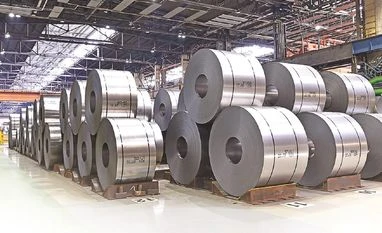 "India weighs 3 options as US doubles safeguard duties on steel, aluminium")












