RBI to conduct VRR auction again as liquidity deficit widens to Rs 2.3 trn
The market speculated a total of around Rs 4 trillion worth of outflows because of advanced tax and GST payments in December
Anjali Kumari Mumbai Even as the liquidity deficit in the banking system widened to Rs 2.27 trillion — the highest in 2023–24 — the Reserve Bank of India (RBI) announced a seven-day variable repo rate (VRR) auction scheduled for Friday, intending to inject up to Rs 1.75 trillion into the banking system. This decision follows a review of current and evolving liquidity conditions, the central bank said in a release on Thursday.
The liquidity deficit in the banking system had widened to more than Rs 2 trillion on Monday, owing to advance tax outflows; it further widened to Rs 2.3 trillion due to goods and services tax (GST) outflows, as market participants reported.
Liquidity has remained largely in deficit mode in the current quarter.
The market speculated a total of around Rs 4 trillion worth of outflows because of advanced tax and GST payments in December.
“There was a request from all the banks to conduct more VRR auctions because the liquidity condition is very tight,” a dealer at a state-owned bank said.
“This might be the last VRR auction, but if they do conduct more, the amount won’t be this much,” he added.
The RBI conducted a VRR auction after six months on December 15. Against the notified amount of Rs 1 trillion, the central bank received bids worth Rs 2.7 trillion at the VRR auction.
Banks borrowed the amount at a weighted average rate of 6.63 per cent. Before this, the last time the central bank conducted a VRR auction was on June 19. Significant demand was also fuelled by elevated call rates and triparty repo rates in the market, dealers said.
Market participants anticipate a mitigation of liquidity strain by the end of the month through factors such as the reversal of variable reverse repo rate and government spending.
“The liquidity will ease from here on out because we have government spending at the end of the month,” a dealer at another state-owned bank said.
“The VRR auction at this point in time was required because we don’t see any source of inflow right now apart from VRR,” he added.

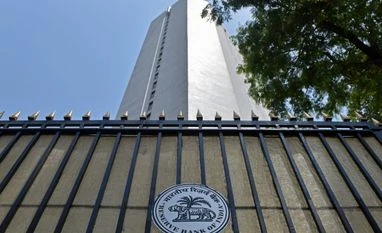 "RBI to conduct VRR auction again as liquidity deficit widens to Rs 2.3 trn")


