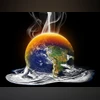
2023 set to be the warmest year on record, says WMO latest report
"2023 has shattered climate records, accompanied by extreme weather which has left a trail of devastation and despair," WMO said in a statement
Nitin Kumar New Delhi The year 2023 is set to be the warmest year on record, states the World Meteorological Organization (WMO) in its latest report.
The Provisional State of the Global Climate in 2023 report, released on Thursday, said that data until the end of October shows that the year was about 1.40 degrees Celsius (with a margin of uncertainty of ±0.12°C) above the pre-industrial 1850-1900 baseline.
With this data, it's virtually certain that 2023 will outstrip previous years, like 2016 and 2020, becoming the hottest in the 174-year observational record, surpassing their temperatures of 1.29 (± 0.12) °C and 1.27 (±0.13) °C above the 1850–1900 average, respectively.
In 2022, the recorded concentrations of the primary greenhouse gases - carbon dioxide, methane, and nitrous oxide - reached their highest levels, based on the latest globally consolidated data. Real-time measurements at specific sites indicate a continued uptick in these gases throughout 2023.
“2023 has shattered climate records, accompanied by extreme weather which has left a trail of devastation and despair,” WMO said in a statement.
The past nine years, 2015 to 2023, were the warmest on record. The warming El Niño event, which emerged during the Northern Hemisphere spring of 2023 and developed rapidly during summer, is likely to further fuel the heat in 2024 because El Niño typically has the greatest impact on global temperatures after it peaks.
In 2022, ocean heat content peaked, marking the highest level in the 65-year observational record. This warming trend is anticipated to persist, representing an irreversible shift over centuries to millennia.
In 2023, global sea levels hit a record high since satellite tracking began in 1993. This surge reflects ongoing ocean warming and the accelerated melting of ice sheets and glaciers. The rate of sea level rise in the last decade (2013-2022) doubled compared to the initial ten years of satellite observation.
In February, Antarctic sea-ice extent also hit its lowest point recorded since satellite monitoring began in 1979.
Weather and climate hazards exacerbated challenges with food security, population displacements, and impacts on vulnerable populations, the report states.
“Greenhouse gas levels are record high. Global temperatures are record-high. Sea level rise is record high. Antarctic sea ice is record low. It’s a deafening cacophony of broken records,” said WMO Secretary-General Prof. Petteri Taalas.

 "2023 set to be the warmest year on record, says WMO latest report")


