
5% Indian women underwent hysterectomy, reveals NFHS 4 data analysis
The authors found higher hysterectomy rates in states such as Andhra Pradesh, Telangana and Bihar
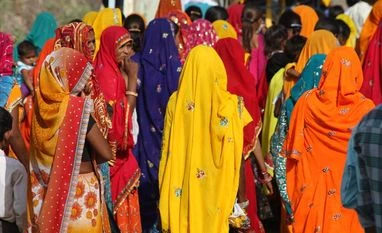 "5% Indian women underwent hysterectomy, reveals NFHS 4 data analysis")
Explore Business Standard
The authors found higher hysterectomy rates in states such as Andhra Pradesh, Telangana and Bihar
About five percent of women in India have undergone hysterectomy, a surgical removal of the uterus, with heavy menstrual bleeding being the most common condition among those who underwent the procedure, according to an analysis of data collected during 2015-16.
Researchers from the International Institute for Population Sciences, Mumbai, and the National Institute of Health and Family Welfare, New Delhi, analysed the data of over 4.5 lakh rural and urban women, aged 25-49 years, gathered during the fourth round of the National Family Health Survey.
The study published in Journal of Medical Evidence revealed that "the prevalence of hysterectomy among women aged 25-49 years was 4.8 per cent, which indicates that about five in every 100 Indian women aged 25-49 years have undergone a hysterectomy." It also found that women working in agriculture were 32 per cent more likely to undergo the surgical procedure compared to women in other occupations.
Further, the authors found higher hysterectomy rates in states such as Andhra Pradesh, Telangana and Bihar.
They added that "these states have been the focus of debate for needless hysterectomies in India," citing previous reports of a high number of uterus-removal surgeries in Bihar, Rajasthan, and Chhattisgarh, especially among low-income women, and high levels of health insurance coverage among women of reproductive age in Andhra Pradesh and Telangana.
Previous studies have suggested that factors such as menstrual taboos, ignorance of gynecological issues, and unhygienic sexual and reproductive health practices may explain why these states record higher rates of hysterectomy, the authors said.
Other explanations explored include avoiding the pain of heavy menstruation, fear of contracting cancer, and viewing the uterus as a disposable organ following childbirth.
A lack of job security among women in agriculture could be linked to why they are more likely to have their uterus surgically removed, according to the authors.
Additionally, being uneducated, living in rural areas, and belonging to well-off households were other factors the study found to be associated with higher rates of hysterectomy.
About two-thirds of uterus-removal surgeries across India were performed in private health facilities, suggesting that profit motives may also contribute to the upward trend, the researchers said.
The findings raise questions about the poor access to quality healthcare for women in agriculture, especially for sexual and reproductive health, they concluded.
(Only the headline and picture of this report may have been reworked by the Business Standard staff; the rest of the content is auto-generated from a syndicated feed.)
First Published: Jan 02 2025 | 2:41 PM IST


