
India elected for seventh time to UN Human Rights Council for 2026-28 term
The Human Rights Council is the main intergovernmental body within the United Nations responsible for human rights. Established in 2006 by the General Assembly
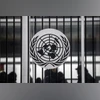 "India elected for seventh time to UN Human Rights Council for 2026-28 term")
Explore Business Standard

Associate Sponsors
Co-sponsor
The Human Rights Council is the main intergovernmental body within the United Nations responsible for human rights. Established in 2006 by the General Assembly
India has been elected for the seventh time to the United Nations' Human Rights Council for the term 2026-28, India's Permanent Representative to the UN, Parvathaneni Harish shared on Wednesday.
In a post on X he thanked all the delegations for their support and underscored how the election is reflective of India's unwavering commitment to human rights and fundamental freedoms.
"India was elected to the Human Rights Council for the term 2026-28 @UN for the seventh time today. Thank all delegations for their overwhelming support. This election reflects India's unwavering commitment to human rights and fundamental freedoms. We look forward to serve this objective during our tenure", he said.
The Human Rights Council is the main intergovernmental body within the United Nations responsible for human rights. Established in 2006 by the General Assembly, it is responsible for strengthening the promotion and protection of human rights around the globe.
The Council, composed of 47 Member States, provides a multilateral forum to address human rights violations and country situations. It responds to human rights emergencies and makes recommendations on how to better implement human rights on the ground.
In a previous statement, the Permanent Mission of India to the UN noted how India's deepening engagement with the United Nations is based on its steadfast commitment to multilateralism and dialogue as the key for achieving shared goals and addressing common challenges faced by the global community.
As a founding member of the United Nations, India strongly supports the purposes and principles of the UN and has made significant contributions to implementing the goals of the Charter, and the evolution of the UN's specialized programmes and agencies.
India believes that the United Nations and the norms of international relations that it has fostered remain the most efficacious means for tackling today's global challenges.
The statement underscored how India is steadfast in its efforts to work with all Member States in the spirit of multilateralism to achieve comprehensive and equitable solutions to global challenges including those related to peacebuilding and peacekeeping, sustainable development, poverty eradication, environment, climate change, terrorism, disarmament, human rights, health and pandemics, migration, cyber security, outer space and frontier technologies, and reformed multilateralism.
(Only the headline and picture of this report may have been reworked by the Business Standard staff; the rest of the content is auto-generated from a syndicated feed.)
First Published: Oct 15 2025 | 9:22 AM IST

