In a leap towards making the dairy industry climate change-resilient, the National Dairy Research Institute (NDRI) in Karnal has successfully developed an embryo through gene-editing technology, promising a future where milk production remains steady, even under the most challenging weather conditions.
In the next phase of this research, which has been meticulously conducted over the years, the genetically edited embryo will be implanted into the uterus of a female buffalo for gestation, which lasts over 10 months.
The science behind this project involves the use of CRISPR (clustered regularly interspaced short palindromic repeats) technology — a tool that allows for the precise editing of DNA sequences. This method enables scientists to target specific genes and modify them.
“Once the offspring is born and reaches the milking stage, we will be able to determine if its milk production is truly resistant to climate change,” Dheer Singh, NDRI director, told reporters. Under typical circumstances, it takes about five years for an animal to reach the milking stage from an embryo, he explained.
Once the calf is born, it will take another two to three years to mature, followed by an additional year of pregnancy, leading to milk production.
Singh highlighted that some indigenous cattle breeds, such as the ‘Tharparkar’, are naturally heat-resistant and their milk production is unaffected by climate shifts. By mapping the genes responsible for these traits, researchers hope to transfer them to cattle that are not naturally resilient, potentially boosting milk yields across the country.
In 2023, India produced an estimated 230.6 million tonnes of milk but concerns about future sustainability are mounting as summer months are becoming increasingly severe amid climate change.
In a parallel development, NDRI has also created gene-edited embryos targeting the β-lactoglobulin (BLG) gene, again using CRISPR technology. This research, published in the journal Scientific Reports, part of the Nature group, could potentially reduce allergenic proteins in milk.
BLG plays a crucial role in the composition of milk by interacting with other milk proteins. It also causes allergies in humans — particularly in newborns, with about 3 percent worldwide suffering from bovine milk allergies due to this protein. This protein is absent in human milk.
“By editing this gene, ICAR-NDRI aims to produce dairy animals that yield milk with reduced allergenicity, enhancing the nutritional profile and health benefits of milk,” Singh explained. This could lead to dairy products tailored for health-conscious consumers, improving public health and expanding market opportunities, he added.

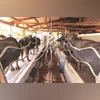 "Research for climate-resilient milch cattle takes a vast step forward")


 Connect with us on WhatsApp