
Indian exporters adopt wait-and-watch approach to 27% US tariff on rice
The US has levied steeper tariffs on other major rice-exporting nations 34 per cent on China, 46 per cent on Vietnam, 30 per cent on Pakistan
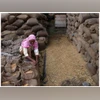 "Indian exporters adopt wait-and-watch approach to 27% US tariff on rice")
Explore Business Standard

Associate Sponsors
The US has levied steeper tariffs on other major rice-exporting nations 34 per cent on China, 46 per cent on Vietnam, 30 per cent on Pakistan
Indian rice exporters are adopting a wait-and-watch approach following United States' decision to impose 27 per cent tariff on imports, though industry leaders say the long-term impact may be limited due to India's inherent competitiveness.
"While there may be short-term price fluctuations, the market is expected to stabilise within the next two to three months. The 27 per cent tariff is a temporary hurdle, not a roadblock. With strategic planning and flexibility, we cannot only protect, but also expand our footprint in the US market," Prem Garg, national president of the Indian Rice Exporters Federation (IREF), told PTI.
He added that the tariff, though significant, should not cause panic among exporters.
The US is not India's largest market for basmati rice, Garg said.
"In FY24, India exported 2.34 lakh tonnes of basmati rice to the US out of 52.4 lakh tonnes. During April-November 2024, the US accounted for 2.04 lakh tonnes of India's 42 lakh tonnes of total basmati exports. West Asia continues to be India's primary destination for rice exports," he said.
Exporters said despite the tariff hike, India still enjoys a pricing advantage over competing countries.
The US has levied steeper tariffs on other major rice-exporting nations 34 per cent on China, 46 per cent on Vietnam, 30 per cent on Pakistan, and 37 per cent on Thailand allowing Indian rice to remain relatively competitive in tariff advantage.
"India will retain its competitive advantage due to lower tariffs compared to other countries," Garg said.
Suraj Agarwal, director of Ricevilla, a Kolkata-based rice exporter, said the US tariff hike will not alter India's long-term prospects.
"Indian basmati has built trust with American consumers. There might be some renegotiation in contracts and pricing strategies, but demand will hold because of consistent quality," he said.
Exporters do, however, expect some near-term challenges.
"Existing contracts may need renegotiation due to price changes, and there may be pressure to justify higher retail prices through improved branding or packaging," a businessman said.
US importers could also demand longer credit periods or delayed shipments, affecting the cash flows of Indian exporters, he added.
(Only the headline and picture of this report may have been reworked by the Business Standard staff; the rest of the content is auto-generated from a syndicated feed.)
First Published: Apr 04 2025 | 7:22 PM IST

