Home / Industry / Agriculture / Millers seek easing of export curbs as DDGS glut hits wheat bran demand
Millers seek easing of export curbs as DDGS glut hits wheat bran demand
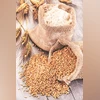
Wheat bran prices drop to almost ₹20 a kg from nearly ₹25 in May 2025
premium
In Rabi 2022, bran prices were around 92 per cent of wheat MSP while in Rabi 2023, bran touched ₹2,200 per quintal, while wheat MSP was ₹2,125, which was 104 per cent of MSP.
3 min read Last Updated : Jul 02 2025 | 11:33 PM IST
Saddled with export restrictions and a falling demand for wheat bran due to increased popularity and supply of alternative distillers’ dried grains with soluble (DDGS) -- a protein-rich byproduct of ethanol production -- wheat processing industry has appealed for immediate easing of export restrictions on wheat products.
The growing demand and supplies of DDGS is not just hitting the domestic soybean meal industry but also the wheat product makers, particularly bran producers whose prices have dropped sharply due to falling demand.
Just as soymeal, wheat bran is also a raw material for livestock feed.
But DDGS -- which is high in protein and now in ample supply due to a large production of ethanol -- has become the favourite feed meal ingredient for cattle, poultry and swine.
As ethanol produced from maize rose exponentially across the country to meet the Centre’s blending target of 20 per cent by 2025, DDGS output has also grown simultaneously.
In 2024-25, Ethanol Supply Year (November to October), around 6.50 billion litres of ethanol will be produced from grains, of which maize is a major component while that from sugarcane will be just around 2.50 billion litres.
Traders said that in the 2024-25 edible oil year (November to October) as against an estimated 7.3-7.4 million tonnes of soymeal demand, the actual consumption has fallen to around 6.6 million tonnes.
It was a drop of almost 700,000-800,000 tonnes.
A similar situation has now spread to the wheat bran industry as well.
Millers said that in recent seasons, bran prices had reached levels equal to or even higher than wheat’s Minimum Support Price (MSP), providing healthy margins for millers.
In Rabi 2022, bran prices were around 92 per cent of wheat MSP while in Rabi 2023, bran touched ₹2,200 per quintal, while wheat MSP was ₹2,125, which was 104 per cent of MSP.
In Rabi 2024 and Rabi 2025, bran prices normalised back to 92-95 per cent, but by then, market demand had already weakened significantly.
“When bran fetched high rates, wheat milling was profitable. Milling units easily recovered their costs, and bran revenue made production viable. But the situation has now reversed,” Rahul Chauhan, commodity analyst with iGrain India told Business Standard.
Bran prices have plummeted to around ₹20 per kg from around ₹25 per kg in May, and even at such low prices, there are no takers. Demand has completely vanished, millers said.
To stem this, the wheat products industry is calling for immediate easing of the long export restrictions on wheat products namely bran, maida, salmonella and others.
“Unless exports reopen, market balance won’t return, and milling units will remain under stress,” a senior industry official said.
Demand slump
- DDGS is a byproduct of ethanol production from grains
- Wheat bran rates dropped by almost 20 per cent in two months due to low demand
- Bran demand has taken a hit due to increased usage of DDGS in animal feed
- Bran’s pricing is linked to wheat MSP. While MSP has risen, bran rates have dropped




