Rajesh M, a three-wheeler driver in New Delhi, is preoccupied with paperwork for a change, and for good reason. Instead of chasing passengers, he’s busy planning to buy a new three-wheeler, but an electric one.
Rajesh was persuaded to bet on electric after friends vouched for lower fuel cost. “They were making more than me just because of cheaper fuel,” he explains.
On an average, drivers spend Rs 450 per day on compressed natural gas (CNG), which fuels three-wheelers in the national capital. Electric vehicle drivers, on the other hand, spend Rs 200 daily, according to industry estimates.
Most of the electric auto drivers charge at homes or commercial establishments that have charging facilities. Some say they charge their vehicles at public places such as schools, malls and markets.
According to data from the Vahan dashboard of the Ministry of Road Transport and Highways (MoRTH), approximately 54 per cent of the 986,797 three-wheelers sold in the country in FY24 so far are running on electricity. In FY19, the share of these categories was 15 per cent.
The CNG three-wheeler sales also witnessed a steady climb, growing from 198,616 units in FY19 to 303,817 currently, representing a 53 per cent increase.
However, not all green fuels have enjoyed the same success.
Liquefied petroleum gas (LPG) saw a surprising decline, with sales falling from 103,950 units in FY19 to 25,442 currently. This is due to increased competition from CNG and electric options.
Industry experts say that the rise in electric three-wheeler (e3W) sales is fuelled by the government’s push for electric mobility and the rising cost of diesel and petrol. The national capital doesn’t allow any public transport to run on diesel. Many other states are following suit by shifting to CNG or electric.
However, there is a flip side to the rise of e3Ws. A majority of them — around 70 per cent according to industry estimates — runs on lead-acid and not lithium-ion batteries.
“Lead battery-operated e3Ws dominate the market right now because the ecosystem for such batteries is fully developed in the country. However, if the charging infrastructure expands and the cost of lithium battery-operated rickshaws becomes more competitive, their market share is also poised to increase,” says Preetesh Singh, specialist CASE and alternate powertrains, NRI Consulting & Solutions.
The government incentivises e3Ws powered by lithium batteries with subsidies from Rs 32,200 to Rs 111,505, depending on the size of the battery, under the Faster Adoption and Manufacturing of (Hybrid &) Electric Vehicles (FAME-II) scheme. A total of Rs 987 crore was allocated out of the scheme’s outlay of Rs 10,000 crore for incentivising the eclectic three-wheeler.
As three-wheeler drivers, predominantly from the low-income group, make purchasing decisions, they often opt for lead-acid vehicles. The price range for an e3W starts at Rs 100,000 and can go up to Rs 400,000. Batteries constitute nearly 40 per cent of the overall cost, rendering those equipped with lead-acid batteries 20 to 40 per cent cheaper than those powered by lithium batteries.
According to automotive industry experts, cost competitiveness and economic advantages are expected to propel the penetration of e3Ws even further. They predict that e3W sales are on a growth trajectory and set to surpass NITI Aayog’s target of 80 per cent market share in the three-wheeler category by 2030.
Meanwhile, traditional fuels such as diesel and petrol are losing ground.
Diesel three-wheeler sales plummeted from 319,010 units in FY19 to a mere 110,845 currently, a drastic 65 per cent decline. Petrol saw a similar trend, with sales dropping from 23,713 to 12,116 units during the same period.
“In addition to the increasing cost of fossil fuels, the proliferation of electric autos from diverse auto manufacturers is also fuelling this transformation,” says Singh.

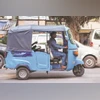 "India's three-wheelers segment charged up with electric transition")


 Connect with us on WhatsApp