
Adulterated watermelons flooding markets: FSSAI issues health warning, tips
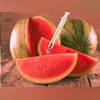
Summer brings a surge in watermelon sales-and in fruit adulteration. Viral videos showing chemicals being injected into watermelons have sparked major concern among people
 "Adulterated watermelons flooding markets: FSSAI issues health warning, tips")
Explore Business Standard

Associate Sponsors
Co-sponsor
Summer brings a surge in watermelon sales-and in fruit adulteration. Viral videos showing chemicals being injected into watermelons have sparked major concern among people
As the summer heat intensifies, so does the demand for hydrating fruits like watermelon and muskmelon. But along with the seasonal craving comes a troubling rise in fruit adulteration. In a recent crackdown, the Food Safety and Standards Authority of India (FSSAI) seized and destroyed over 2,000 kilograms of chemically adulterated watermelons during inspections across Tamil Nadu.
Numerous social media videos that have also gone viral claim that watermelons are being chemically sweetened and artificially coloured, which is bad for health and full of preservatives. The same approach may be seen in a video that was broadcast as part of a social experiment. As part of this experiment, a man is seen injecting chemicals into a watermelon in the video that was uploaded to a YouTube channel.
The cotton ball test has been recommended to consumers as a way to identify chemical colors. To find out if a watermelon has been colored, cut it in half and rub the red side with a cotton ball, according to the Food Safety and Standards Authority of India (FSSAI). The fruit is natural if the cotton ball stays clean. The presence of artificial substances is indicated if it becomes red.
You can also rub a piece of white paper or tissue on the watermelon. If any colour transfers onto it, the fruit may not be safe to eat.
Officials from the Food Safety and Drug Administration also advised buyers to personally check quality at home — by placing watermelon slices in a glass of water. If the fruit has been coloured, the artificial dye will begin to leach into the water, revealing the adulteration.
Chemicals are applied to watermelons to increase their sweetness and extend their shelf life. Some, such as the red food dye erythrosine B, have been connected to severe adverse effects, such as gastrointestinal problems like nausea, vomiting, and diarrhea, as well as mental health issues; skin rashes, dizziness, chills, coughing, blisters, and even thyroid dysfunction.
A typical chemical used to artificially ripen fruits, other than watermelon, is calcium carbide, which can have negative health effects since it releases acetylene gas, which mimics the natural ripening process.
The poisonous compounds phosphorus hydride and arsenic found in the acetylene gas that calcium carbide releases cause a number of adverse consequences, including weakness, vomiting, skin ulcers, and neurological issues like headache and memory loss.
The following advice will help you choose a naturally delicious and red watermelon and prevent scams:
• Always choose round watermelons since they are sweet. The longer ones have less flavor and are more watery.
• A ripe watermelon is usually dark from outside. Avoid buying the shiny ones.
• To know the flavour of the watermelon, look for an orange spot on its outer peel. On the other hand, those with a white field spot are typically tasteless.
First Published: Apr 16 2025 | 7:18 PM IST

