Gold, silver prices fall: Precious metals gold and silver are regarded as safe havens, especially during global uncertainties. However, their recent performance amid the
ongoing West Asia conflict has surprised investors by displaying unusual patterns.
In 2025, both metals delivered extraordinary returns, outperforming all major asset classes worldwide. Silver gained more than 165 per cent, while gold surged over 75 per cent in the year. The bullish momentum even continued in early 2026, with gold prices soaring to an all-time high of USD 5,500 per ounce in late January, and silver climbing to a record USD 121 per ounce.
Analysts said that gold and silver performance in 2025 reflected a structural shift in how investors and central banks positioned portfolios. But that situation has now changed dramatically after the start of the West Asia conflict, which raised oil prices and also inflation risks.
Gold, silver prices fall up to 22% since war
Contrary to expectations, after an initial surge when the war started, both metals began to decline. According to data shared by Axis Securities, gold prices have declined more than 10 per cent, while silver prices have corrected by over 22 per cent during this period.
Analysts suggest that the initial rally in gold and silver prices was short-lived as the conflict didn't end within a week as anticipated. Supply disruptions in oil markets contributed to economic uncertainty, inflationary pressures, and strengthened the US dollar.
Deveya Gaglani, senior research analyst - commodities, Axis Securities, said that the war has impacted every country, leading to economic paralysis that boosted the greenback. A strong dollar, he said, has emerged as a key force influencing precious metal prices.
"There was also a miscalculation by the US regarding Iran’s response," he said, adding that Tehran's retaliation and the closure of the Strait of Hormuz increased inflationary concerns, which, in turn, reduced expectations of Federal Reserve rate cuts this year.
"This has led to an uptick in the US dollar, putting pressure on bullion prices," he added.
Gold, silver drop sharply from peak
From the peak, gold prices have dropped more than 16 per cent and are currently trading around USD 4,680 per ounce as of April 6. Silver has experienced an even steeper correction, falling over 35 per cent to approximately USD 74 per ounce.
Historical data shows that gold and silver prices typically rise at the start of a conflict, but the rally fades when the situation drags on. As per data, when Russia invaded Ukraine in February 2022, gold prices rose by more than 4 per cent during the first week but later cooled off. Similarly, silver prices surged by nearly 6 per cent initially but failed to sustain the gains in the following weeks as the developments were gradually priced in.
During the India-Pakistan conflict in 2025, gold and silver remained largely flat, as the situation was short-lived and did not significantly disrupt global trade or oil markets.
Silver: Industrial demand slows
In the case of silver, analysts note that its strong industrial demand makes the white metal highly sensitive to economic activity. When industrial activities are disrupted, demand for silver declines, which is why it behaves more like an industrial commodity rather than purely as a safe-haven asset. According to estimates, nearly 60 per cent of global silver demand is driven by industrial activities, with the white metal widely used in sectors such as electronics, solar panels, automobiles, and semiconductors.
Kaveri More, commodity analyst at Choice Broking, said that when there is a war or geopolitical tensions, uncertainty increases in the global economy, and companies usually delay new investments, postpone expansion plans, and slow production. And when manufacturing is slow, the demand for industrial metals also falls. "This has a direct impact on silver," he said.
Gold, silver slide amid strong USD, high bond yields
Additionally, rising bond yields have further weighed on bullion markets. Analysts said that during a geopolitical crisis, investors usually move towards the US dollar and US government bonds. Because gold and silver are priced in dollars in global markets, strong dollars make metals more expensive. In such a situation, other currency buyers' interest in precious metals fades.
"During periods of geopolitical stress, investors shift capital toward US government bonds and the dollar, because they see both as safe and liquid assets. This trend is very common as elevated yields make fixed-income investments more attractive relative to precious metals," Kaveri said.
Oil shock, high inflation risk dampen rate-cut hopes
Analysts said that the escalation in tensions has pushed oil prices higher, raising concerns about future inflation. This, in turn, has reduced expectations of monetary policy easing and increased the likelihood of prolonged high interest rates or even rate hikes.
"If inflation increases, central banks can keep interest rates high. When interest rates are high, investors sometimes withdraw money from precious metals and shift it to interest-earning assets," Saumil Gandhi, senior analyst - commodities at HDFC Securities, said.
Central bank activity, forced selling
Further pressure has come from central bank activity, he said, while noting that Russia and Turkey have reportedly sold a significant amount of gold reserves to stabilise their currencies. "This has added to the supply in the market," Saumil said.
"Until monetary conditions ease and inflation expectations shift, precious metals are unlikely to regain momentum, showing that financial fundamentals currently outweigh geopolitical drivers," Hareesh V, head of commodity research at Geojit Investments, said.
Separately, the overcrowded rally in precious metals has come to an end as short-term traders holding long positions are now unwinding their positions, leading to forced selling in some cases.

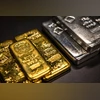 "Why are gold and silver prices not rising despite the West Asia war?")


 Connect with us on WhatsApp