July 1 is an important date in the history of the Indian economy. It was on July 1, 1991 that Dr Manmohan Singh, the then finance minister, launched economic reforms starting with the devaluation of the Indian rupee. It was on July 1, 2017 that the Goods and Services Tax (GST) regime was introduced by the Union and state governments. They have had transformative effects on the economy in their own ways.
When the minority government of Narasimha Rao was formed on June 21, 1991 after the general elections, very few expected major initiatives. Most people knew that there was a Balance of Payments crisis, as the previous government had shipped gold from the Reserve Bank of India to the Bank of England. Still, the two-stage devaluation of the Indian rupee on July 1 and 3, 1991, within days of formation of the new government, came as a surprise. On July 4, 1991, P Chidambaram, the then commerce minister, unveiled trade reforms, abolishing direct export subsidies, and import licensing for most goods. On July 24, 1991, the government abolished industrial licensing for all practical purposes, and made foreign direct investment and sourcing technology from foreign parties much easier. On the same day, the Union Budget was presented, substantially cutting the import duties and income tax rates. The road ahead was clear and subsequent governments have taken forward the reforms agenda allowing a major role for the private sector in the economy.
The GST Council, consisting of finance ministers of all states and the Union government has, barring exceptions, found ways to take decisions through consensus. Exporters are getting their refunds quickly under the GST regime but they are quite upset with the government’s irrational stand on pre-import condition under advance authorizations, and inane restrictions on refunds in certain situations. Some issues such as bringing petroleum products under the GST regime, setting up of tribunals, irksome restrictions on taking input tax credit, routine issue of show cause notices based only on data from the GST Network, etc, persist.
Going forward, the Central government should spell out its reform agenda and discuss the details with all stakeholders and take everyone along. Key elements of reform such as the land acquisition laws, reform of trade in agriculture commodities, labour laws, bringing petroleum products under the GST regime, lowering the GST rates, etc, should be widely discussed. So, even as we celebrate the anniversary of important landmarks in our economic history, the leadership must note to walk the extra mile to convince the stakeholders about the need for and the benefits of reforms.

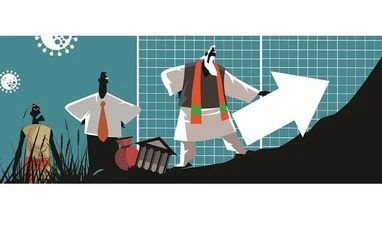 "Centre should spell out reform agenda, take everyone along")












 Connect with us on WhatsApp