Associate Sponsors

Co-sponsor

Finding funds for India's nuclear plans and long-term financing hurdles

India's push for 100 GW nuclear capacity by 2047 will need over $200 billion, demanding long-tenor financing, sovereign support and a dedicated nuclear finance entity
Nuclear Energy
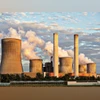
Representational image from Pexels
Ajay Sagar
4 min read Last Updated : Feb 22 2026 | 10:08 PM IST
India’s civil nuclear energy ambition is no secret. It plans to have at least five small modular reactors by 2033, and 100 gigawatts of nuclear energy capacity by 2047. The intent is to promote energy security, diversify the energy mix and retire coal plants. Union Budget 2025-26 emphasised promoting indigenous nuclear technology for pressurised heavy-water reactors called Bharat Small Modular Reactors. It called for public-private partnerships with a modest funding allocation for nuclear energy. India recently reformed its nuclear regime legislation, licensing for nuclear power plants, and civil liability for nuclear damage with the enactment of the Sustainable Harnessing and Advancement of Nuclear Energy Act, 2025 (SHANTI Act). 
Subject to competitive bidding, India’s nuclear energy financing requirement by 2047 is likely to be over $200 billion. Such funding is different from other infrastructure projects. It has nuances and comes with significant compliance burden. Conditions include following safety, performance, design, operations, construction, and commissioning standards set by the International Atomic Energy Agency (IAEA). 
Another prerequisite is compliance with onsite nuclear waste management guidelines and facilities. A nuclear power plant’s capital cost is three to six times more than that of coal- or gas-based power plants. Despite lower operating costs, nuclear power plants need currency-hedged, long term and fixed-interest-rate financing. 
Nuclear energy projects have an extremely long payback period. Commercial banks have generally refrained from financing nuclear power infrastructure, guided by their borrowing covenants, restrictions imposed by financial and securities regulators and reputational risk. Lending for long tenors using deposits triggers asset-liability mismatch. 
Banks selectively fund working capital loans, provided safety standards are met. Capital markets in developing economies are not deep enough to allow 25- to 30-year fixed interest rate local currency financing, besides lacking securities regulations for accessing bond markets by nuclear energy entities. 
The Organisation for Economic Cooperation and Development has a separate framework for financing nuclear power projects by export credit agencies. This financing is restricted to cost of imported capital goods and services. It provides financing of more than 25 years, comprising a construction period followed by a repayment period of 22 years. It also allows capitalisation of interest during the construction period. Some similar or better loan repayment terms will be needed for financing of India’s nuclear energy projects. 
The next step will be to identify potential nuclear finance transactions and create a separate financing entity. The entity will require highly skilled staff in conducting due diligence for financial, commercial, legal and technical risks associated with nuclear financing. Focus on governance standards will be important as well. It will require adherence to international safety standards on nuclear energy, as well as regulations of India’s atomic energy regulatory board. 
The entity could offer financing products to accommodate sovereign, corporate, project and structured financings for nuclear energy projects. It will need special skills to structure such financings based on assessment of borrowing entity, creditworthiness, collateral, and security arrangements. Guarantee instruments will help borrowing through export credit agencies and structured capital market transactions. The key will be an ability to offer financing structures that attract private sector participation. 
Some form of government guarantees or limited sovereign support is crucial to cover nuclear-related civil liability, off-take and other risks. Multilateral organisations such as the Asian Development Bank, International Energy Agency and IAEA could assist in establishing an appropriate policy framework and a nuclear financing entity. The Reserve Bank of India will need to consider providing currency swap facilities to multilaterals and export credit agencies for currency hedging, and on-lending. Regulators could dwell on securities guidelines for accessing bond markets for financing nuclear power projects. India’s nuclear energy mission merits expansion to include a finance entity.
The writer is a former senior staff member of the Asian Development Bank, Philippines, and Bank of America, Asia. Views are personal
 

One subscription. Two world-class reads.

Already subscribed? Log in

Subscribe to read the full story →
*Subscribe to Business Standard digital and get complimentary access to The New York Times

Smart Quarterly

₹900

3 Months

₹300/Month

SAVE 25%

Smart Essential

₹2,700

1 Year

₹225/Month

SAVE 46%
*Complimentary New York Times access for the 2nd year will be given after 12 months

Super Saver

₹3,900

2 Years

₹162/Month

Subscribe

Renews automatically, cancel anytime

Here’s what’s included in our digital subscription plans

Exclusive premium stories online

  • Over 30 premium stories daily, handpicked by our editors

Complimentary Access to The New York Times

  • News, Games, Cooking, Audio, Wirecutter & The Athletic

Business Standard Epaper

  • Digital replica of our daily newspaper — with options to read, save, and share

Curated Newsletters

  • Insights on markets, finance, politics, tech, and more delivered to your inbox

Market Analysis & Investment Insights

  • In-depth market analysis & insights with access to The Smart Investor

Archives

  • Repository of articles and publications dating back to 1997

Ad-free Reading

  • Uninterrupted reading experience with no advertisements

Seamless Access Across All Devices

  • Access Business Standard across devices — mobile, tablet, or PC, via web or app

Topics :Nuclear energynuclear powerNuclear policy

Next Story



