India's doping crisis is threatening its dream of hosting 2036 Olympics

Country's athletes have had one of the worst records in testing positive for banned substances
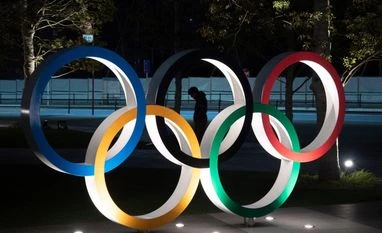
Olympics rings
International Olympic Committee early this month told India doping could jeopardise its bid to host the 2036 Summer Olympics. Photo: X
Yash Kumar Singhal New Delhi
2 min read Last Updated : Aug 01 2025 | 12:14 PM IST
The International Olympic Committee early this month told India doping could jeopardise its bid to host the 2036 Summer Olympics. The problem is severe and the government recently tabled a Bill in Parliament to grant greater independence to the National Anti-Doping Agency (NADA).
 
The Bill amends the National Anti-Doping Act of 2022, which could not be implemented due to World Anti-Doping Agency’s concerns about “government interference” in NADA.
 
Of the major nations that each collected more than a thousand samples to test for doping in 2023, India had the highest positive share (3.8 per cent). In the last 10 years, India’s positive dope test share has fluctuated, rising to a high of 5.6 per cent in 2019. Further, India's doping rate has been one of the worst globally in a decade.
 
China, France and the United Kingdom had a doping rate of less than 1 per cent each in 2023, while the United States and Russia had a rate of 1 per cent. The Chinese anti-doping agency collected more than 28,000 samples, the most in the world, and 0.2 per cent of them tested positive. 
 
 
India’s doping problem is the worst for athletics, with 61 positive dope cases or adverse analytical findings (AAFs) among sportspersons in 2023. Weightlifting and powerlifting followed with 38 and 28 AAFs, respectively. Combat sports like wrestling, boxing and judo also had a high share of doping violations among Indian athletes. 
 
 
Globally, doping rates in Olympic sports have increased after the pandemic. On the other hand, the share in non-Olympic sports has declined and reached 1.88 per cent in 2023, well below the pre-pandemic figures. 
 
China and Russia have low doping rates but many of their athletes had their results annulled for the 1994 Asian Games and the 2008 and 2012 Summer Olympics when samples tested positive years later in re-analysis. The two countries have been accused of running state-sponsored doping programmes to enhance their athletes’ performance. Russia has had the largest cohort of athletes testing positive at Olympic games.
 
India must educate its athletes about avoiding ingestion of prohibited substances in any form. Further, it needs to improve enforcement of regulations to create deterrence and clean up the sporting ecosystem.

One subscription. Two world-class reads.

Already subscribed? Log in

Subscribe to read the full story →
*Subscribe to Business Standard digital and get complimentary access to The New York Times

Smart Quarterly

₹900

3 Months

₹300/Month

SAVE 25%

Smart Essential

₹2,700

1 Year

₹225/Month

SAVE 46%
*Complimentary New York Times access for the 2nd year will be given after 12 months

Super Saver

₹3,900

2 Years

₹162/Month

Subscribe

Renews automatically, cancel anytime

Here’s what’s included in our digital subscription plans

Exclusive premium stories online

  • Over 30 premium stories daily, handpicked by our editors

Complimentary Access to The New York Times

  • News, Games, Cooking, Audio, Wirecutter & The Athletic

Business Standard Epaper

  • Digital replica of our daily newspaper — with options to read, save, and share

Curated Newsletters

  • Insights on markets, finance, politics, tech, and more delivered to your inbox

Market Analysis & Investment Insights

  • In-depth market analysis & insights with access to The Smart Investor

Archives

  • Repository of articles and publications dating back to 1997

Ad-free Reading

  • Uninterrupted reading experience with no advertisements

Seamless Access Across All Devices

  • Access Business Standard across devices — mobile, tablet, or PC, via web or app

Topics :BS Number WiseOlympic GamesDopingsports

Next Story



