Home / Technology / Tech News / Here's why Microsoft is key holdout for OpenAI's restructuring plan
Here's why Microsoft is key holdout for OpenAI's restructuring plan
Microsoft, which has invested $13.75 billion in the startup, remains the biggest holdout among investors as the ChatGPT maker tries to restructure, according to several people familiar with the matter
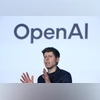
In a letter to employees, OpenAI Chief Executive Officer Sam Altman said the decision to maintain the nonprofit’s control followed discussions with civic leaders | Photo: Bloomberg
After months of public pressure, OpenAI walked back part of its effort to create a more conventional for-profit company, but its restructuring plans still have not received the blessing of a major stakeholder: Microsoft Corp.
Microsoft, which has invested $13.75 billion in the startup, remains the biggest holdout among investors as the ChatGPT maker tries to restructure, according to several people familiar with the matter. The software giant wants to make sure that any changes to OpenAI’s structure adequately protect Microsoft’s investment, said the people, who spoke on condition of anonymity to discuss private deliberations. Microsoft is still actively negotiating details of OpenAI’s proposal, the people said.
Microsoft declined to comment. In a statement, OpenAI said: “We continue to work closely with Microsoft, and look forward to finalising the details of this recapitalisation in the near future.”
OpenAI said Monday that it’s moving forward with an effort to restructure its for-profit division as a public benefit corporation, but changed its plans so that the overall business will instead remain under the control of its nonprofit — effectively maintaining the contours of how the company is currently set up.
Microsoft isn’t the only party that OpenAI needs buy-in from. The state attorneys general of California and Delaware are responsible for overseeing the conversion. OpenAI needs to do a fair market valuation on the nonprofit’s stake in the future for-profit entity and is asking state AGs for input.
In a letter to employees, OpenAI Chief Executive Officer Sam Altman said the decision to maintain the nonprofit’s control followed discussions with civic leaders and the offices of the state attorneys general. “We look forward to advancing the details of this plan in continued conversation with them, Microsoft, and our newly appointed nonprofit commissioners,” Altman said.
A simplified for-profit structure is considered more attractive to investors, but on a call with reporters, Altman said the revised approach would still accomplish the same aim — even with the nonprofit in control. With the proposed structure, Altman specifically said SoftBank Group Corp. is prepared to move forward with its full $30 billion investment as part of a recently announced funding round.
But Microsoft’s approval will be key. Only OpenAI insiders, Microsoft and other early investors currently have a direct say in approving the restructure, according to two people. As a result, only that group gets to weigh in on the restructuring plan, the people said. But among investors, OpenAI is currently only negotiating with Microsoft, one person said.
Microsoft also has a unique relationship with OpenAI, compared with other investors, because of its licensing and revenue sharing agreements with the startup. Microsoft is currently negotiating those aspects of the contract, along with its equity stake and other issues, according to one person familiar with the discussions.
In addition to winning over Microsoft and state officials, OpenAI is also battling a legal challenge over the restructure from billionaire Elon Musk.
Musk, an OpenAI co-founder, previously asked a judge to block OpenAI from becoming a for-profit business. The judge rejected Musk’s request but has allowed parts of his lawsuit to proceed. Musk also made an unsolicited and unsuccessful $97.4 billion bid to buy the assets of the nonprofit that controls OpenAI.
OpenAI has said Musk is trying to slow it down to benefit his rival AI startup. Marc Toberoff, an attorney for Musk, did not respond to a request for comment about OpenAI’s updated plans.

 "Here's why Microsoft is key holdout for OpenAI's restructuring plan")


 Connect with us on WhatsApp