Apple has a new category for the iPhone, and this time it isn’t about more “Pro” features or bigger screens, but about thinness. The
Apple iPhone Air, at 5.6mm at its thinnest point, is the slimmest iPhone ever made. In hand, it feels less like a phone and more like a sleek sheet of glass and titanium, closer to a design experiment than a traditional slab. It nods to the thin-phone craze of the iPhone 6 era, but now with stronger materials, sharper engineering, and the performance of Apple’s latest A19 Pro chip.
Of course, thinness always comes with baggage. Can a phone this slim still deliver on battery, durability, and cameras? Is the Air simply an iPhone on a diet, or does it genuinely reshape how an iPhone feels to use? And the biggest question: who is it really for? Let’s dig in.
How thin is the iPhone Air
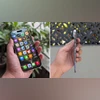
Apple isn’t exaggerating with its branding. The iPhone Air is astonishingly thin. Measuring just 5.6mm, it’s slimmer than the iPad Air and weighs only 165g, making it lighter than most Android flagships, and just over 2g heavier than the only competing rival – the Samsung Galaxy S25 Edge. You feel the difference immediately: slipping it into a pocket feels more like carrying a slim notebook than a smartphone.
Despite the featherweight profile, the titanium frame and second-gen Ceramic Shield glass prevent it from feeling fragile. Apple insists the durability is on par with its Pro lineup, though the combination of more glass and less thickness does make accidental drops feel riskier. The design looks premium, but it comes with trade-offs. Nowhere is that clearer than the oversized camera bump, which juts out more than ever, almost as if Apple crammed all the bulk into one spot.
The thinness does have ergonomic advantages. The 6.5-inch display feels more manageable in hand, easier to grip than a Pro Max, and less fatiguing during long reading or gaming sessions since the edges don’t dig into your palm. But there’s a catch: squeezing this much tech into such a slim frame leaves less room for heat dissipation and battery, compromises that surface elsewhere in the experience.
How is the experience of using the iPhone Air
The iPhone Air doesn’t skimp on performance. Powered by Apple’s A19 Pro chip and running iOS 26 with the full suite of Apple Intelligence features, it matches the Pro models on paper and in most day-to-day use. Apps open instantly, multitasking is seamless, and AI-driven tools like real-time call translation, transcription, on-device summaries, and Image Playground work without stutter.
Connectivity is solid across the board. The Air comes with Apple’s own C1X modem chip and N1 networking chip, and in practice, Bluetooth, Wi-Fi, and cellular connections perform as effectively as on any other iPhone. During testing, even in remote locations, 5G remained accessible and reliable, just like on any other higher-end flagship phone.
That said, the slim body does bring a drawback: heat. Push the phone harder with graphically intense gaming or extended camera use, and it warms up faster than bulkier models. To Apple’s credit, thermal management keeps performance consistent, but comfort can be an issue. Using a case makes sense, particularly since heat is felt most near the protruding camera bump where your fingers naturally rest.
The display, meanwhile, is a standout. The 6.5-inch Super Retina XDR OLED panel, flanked by ultra-slim bezels, looks even more striking against the Air’s thin profile. It’s bright enough at 3,000 nits peak to stay legible under direct sunlight, with smooth 120Hz scrolling, punchy HDR playback, and an Always-On Display that smartly drops refresh rates to 1Hz when idle. It’s essentially the same viewing experience as the Pro models, only in a lighter package.
On the camera front, the Air sticks to a single 48MP rear sensor. It means no ultrawide, no telephoto. Thanks to Apple’s computational photography, the results still impress: rich colours, sharp details, and excellent performance in low light. Portrait mode uses smart cropping to simulate zoom, often delivering more natural depth than some dual-camera rivals. But limitations appear in practice: digital zoom caps out at 10x for photos and 6x for 4K video (8x for HD), with detail loss in dim conditions. The absence of an ultrawide lens especially stings for group shots and landscapes, where cropping just isn’t a substitute.
On the front, the 18MP camera gets a clever upgrade with a square-shaped sensor and Center Stage support. Portrait selfies can be shot in either landscape or portrait orientation, and during video calls, even on third-party apps like WhatsApp, the frame smoothly adjusts as you move, keeping you centred. For social media, video calls, or casual shooting, it’s more than capable.
Everyday usability is where the Air shines most. The slim, lightweight design makes it easier to pocket, hold, and carry all day without fatigue. Long reading sessions, video calls, or even just one-handed typing feel less taxing than on chunkier Pro Max phones. At its core, it’s still unmistakably an iPhone, but the Air’s form factor makes it feel closer to Apple’s ideal – technology that disappears until you need it.
What are the trade-offs for the slim profile
As striking as the iPhone Air’s design is, thinness doesn’t come without compromise, and here, Apple has had to make a few notable trade-offs.
The most obvious is battery life. Apple’s efficiency gains stretch the small cell surprisingly well: a full day of moderate use – email, social scrolling, music streaming, a handful of photos. Push it harder, though, and the cracks show. An hour of gaming, 4K recording, or extended GPS use eats into reserves quickly, leaving heavy users reaching for a charger by evening. There’s simply no situation where the Air comfortably takes you to the second day.
Apple’s answer is the MagSafe Battery Pack designed specifically for the Air. It doubles endurance effectively, but in doing so it cancels out the phone’s biggest appeal: its thin, elegant profile. Snap the pack on and suddenly the Air feels thicker than a Pro model, complete with a two-tone back that looks less refined. It’s a clever solution, but one that highlights the compromise.
Charging speed is another area where the Air falls short. Even with a 35W adapter, a full top-up takes around 90 minutes. Clearly, thermal management and design constraints are the reason Apple is holding back here.
Cameras are also part of the give-and-take. The single 48MP rear sensor is excellent, but without ultrawide or telephoto options, it lacks the versatility we’ve come to expect in premium phones. Landscapes, group shots, or optical zoom just aren’t possible in the same way, and while computational tricks go a long way, they can’t fully replace dedicated lenses.
Heat management is another subtle but noticeable issue. During demanding tasks such as gaming, video editing, or 4K recording, the thin body warms up quicker than other iPhones that I have used so far. Apple’s software does its best to balance performance, so you don’t often see obvious throttling, but comfort takes a hit, especially if you’re holding the phone for long sessions without a case.
Another trade-off comes from the speaker system. The iPhone Air features a mono speaker on the top edge, with no bottom-firing counterpart. While the audio quality remains clear and detailed, bass output is limited. Playing content in landscape is also more likely to result in muffled sound as your hand blocks the lone speaker.
The iPhone Air also marks Apple’s first device to rely exclusively on eSIM – there’s no physical SIM slot. This could be a hassle initially for those not already using eSIM. That said, recent improvements make transferring an eSIM between devices seamless, so for most users this is likely a minor inconvenience limited to the first setup.
Who is the iPhone Air for? Should you buy it
The iPhone Air is not built to be everyone’s iPhone and that’s exactly what makes it compelling. It’s a niche device, but one that serves its audience well.
If your priorities are design, portability, and comfort, the Air feels like a revelation. At 5.6mm and 165g, it’s a phone that almost disappears in your pocket yet never feels compromised in speed or display quality. For commuters, casual users, or anyone who simply wants a device that’s lighter to hold through long days of typing, scrolling, or streaming, the Air delivers a user experience unlike any other iPhone.
But the trade-offs are real, and they make the Air less suited for certain groups. Power users who push their devices with heavy gaming, long video recording sessions, or professional photography will be better served by the iPhone 17 Pro or Pro Max. Those models offer more robust thermal design, multiple lenses for greater shooting flexibility, and larger batteries that stretch comfortably beyond a single day. If battery endurance or maximum versatility is non-negotiable, the Air will feel limited.
For everyone else, however, the iPhone Air stands out as a refreshing counterpoint to today’s bulkier “ultra” flagships. It redefines what a slim phone can be: stylish, powerful, and capable of handling everything the average person does daily, while also giving you a physical lightness you notice every time you pick it up.
In short: the iPhone Air is Apple’s boldest rethink of the iPhone in years. It may not be the right choice for every buyer, but if its design-first philosophy resonates with you, it’s one of the most satisfying iPhones you can own today.
- Price: Rs 119,900 onwards
iPhone Air: Unboxing

 "Apple iPhone Air review: Slimmest iPhone is more than just a design flair")


 Connect with us on WhatsApp