The world’s attention turns to Alaska as US President Donald Trump and Russian President Vladimir Putin prepare to meet on 15 August 2025 for what could be their most significant summit in years. The talks come amid an ongoing war in Ukraine, mounting tariffs, sanctions, and growing diplomatic strains affecting key allies such as India, which shares strategic ties with both the US and Russia.
Setting the stage
This will be the first face-to-face meeting between the two leaders since 2019. Past high-level talks between Washington and Moscow have often mixed cautious hope with mistrust. The last major encounter, in Helsinki six years ago, produced warm words but few tangible results. Then, as now, Ukraine remained a central point of contention, with both sides accusing the other of bad faith while exploring possible compromises.
The primary focus will be ending Russia’s war in Ukraine, now in its third year. Trump has hinted at “creative solutions,” including possible territorial swaps involving contested regions such as Crimea, Donetsk, Luhansk, Kherson, and Zaporizhian. While aimed at breaking the deadlock, these ideas have been met with caution from Western allies and outright rejection from many in Kyiv, who argue that ceding territory would legitimise aggression and set a dangerous precedent.
Trade tensions and tariff diplomacy
Diplomatic strains have also grown over trade. The US recently doubled tariffs on Indian imports to 50 per cent, citing New Delhi’s continued purchase of discounted Russian oil. The move has raised concerns over US–India relations, particularly given India’s strategic role in Indo-Pacific security alliances such as the Quad. Washington has also threatened secondary sanctions on countries, including India and China, that maintain significant energy trade with Moscow. Analysts warn this could push these nations closer to Russia.
For Putin, the summit offers an opportunity to ease Moscow’s diplomatic isolation since the Ukraine invasion. Russia has signalled willingness to discuss a ceasefire, possibly including a pause in air strikes, though Western officials remain sceptical this reflects a genuine policy shift rather than a public relations exercise. Alaska was chosen as the venue partly to avoid complications arising from the International Criminal Court’s arrest warrant for Putin, as the US does not recognise ICC jurisdiction.
Possible Outcomes
Area
Likely Developments
Ukraine Peace Talks
Announcement of a temporary ceasefire or framework for further negotiations.
Territorial Proposals
Discussion of land swaps involving disputed Ukrainian regions — likely controversial.
Tariffs & Sanctions
Potential easing for strategic partners if they reduce Russian oil purchases.
India’s Role
Increased diplomatic pressure and potential trade talks alongside the summit.
Geopolitical Impact
Putin may claim renewed legitimacy; Western unity could face fresh strains.
Energy Markets
Volatility depending on any deal affecting Russian oil exports.
Risks and challenges
Experts caution that any outcome perceived as rewarding Moscow’s aggression could strain Western alliances, particularly Nato. Conversely, failure to achieve tangible progress risks reducing the summit to a symbolic meeting that provides Putin with a global platform without substantive concessions. For India, the stakes are high: meeting US demands on Russian oil could increase energy costs, while refusal risks harsher trade penalties.
What to expect
As Trump and Putin meet in Alaska, global attention will focus on both their public remarks and private negotiations, which could influence the future of the Ukraine conflict, global trade relations, and the balance of power from Eastern Europe to the Indo-Pacific.

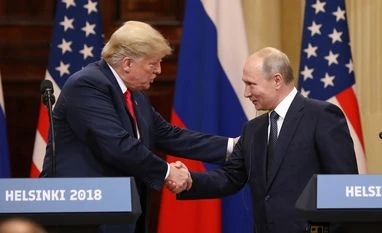 "Trump-Putin Alaska summit to tackle Ukraine war, tariffs and global trade")


 Connect with us on WhatsApp