
US offers UN resolution on Ukraine war that falls short of EU statement
Both are timed to the third anniversary of Russia's invasion of Ukraine, which falls on February 24, when the UN General Assembly will vote on the nonbinding resolutions
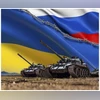 "US offers UN resolution on Ukraine war that falls short of EU statement")
WebinarsNew
Deep DiveNew
Explore Business Standard
Both are timed to the third anniversary of Russia's invasion of Ukraine, which falls on February 24, when the UN General Assembly will vote on the nonbinding resolutions
The United States has proposed a draft UN resolution that stops far short of a competing European-backed statement demanding an immediate withdrawal of all of Moscow's forces from Ukraine.
Both are timed to the third anniversary of Russia's invasion of Ukraine, which falls on Monday, when the UN General Assembly will vote on the nonbinding resolutions.
It sets up a clash between the United States and Europe as the strength of the transatlantic alliance has been called into question over the Trump administration's extraordinary turnaround on Russia, opening negotiations with Moscow after years of isolation as the US looks to broker a rapid end to the war. European leaders were dismayed that their officials and those from Ukraine weren't invited to preliminary US-Russia talks last week in Saudi Arabia.
The very short US draft resolution offers mourning for "the tragic loss of life throughout the Russia-Ukraine conflict" and "implores a swift end to the conflict and further urges a lasting peace between Ukraine and Russia".
Russia's UN Ambassador Vassily Nebenzia told UN reporters about the US resolution, "It's a good move." Russia also suggested an amendment, seeking to add the phrase "including by addressing its root causes" so the final line of the US resolution reads, "implores a swift end to the conflict, including by addressing its root causes, and further urges a lasting peace between Ukraine and Russia" By contrast, the draft resolution from the European Union and Ukraine refers to "the full-scale invasion of Ukraine by the Russian Federation" and recalls the need to implement all previous assembly resolutions "adopted in response to the aggression against Ukraine".
It singles out the assembly's demand that Russia "immediately, completely and unconditionally withdraw all of its military forces from the territory of Ukraine within its internationally recognised borders" and its demand to immediate halt all hostilities.
The General Assembly has become the most important UN body dealing with Ukraine because the Security Council, which is charged with maintaining international peace and security, is paralysed by Russia's veto power.
There are no vetoes in the General Assembly, but its resolutions are not legally binding unlike Security Council actions. Nonetheless, assembly resolutions are closely watched as a barometer of world opinion.
The duelling resolutions come as President Donald Trump has falsely blamed Ukrainian President Volodymyr Zelenskyy for allowing the war to start and describing him as a "dictator" who "better move fast" to negotiate an end to the war or risk not having a nation to lead. Zelenskyy responded by saying Trump was living in a Russian-made "disinformation space".
(Only the headline and picture of this report may have been reworked by the Business Standard staff; the rest of the content is auto-generated from a syndicated feed.)
First Published: Feb 22 2025 | 12:15 PM IST


 Connect with us on WhatsApp