


Taxation impact on major manufacturing sectors largely neutral
CRISIL Research has highlighted industry-specific impact based on the current tax slab
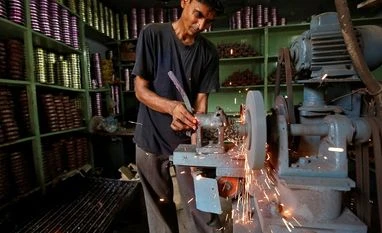 "Taxation impact on major manufacturing sectors largely neutral")
premium
CRISIL Research has highlighted industry-specific impact based on the current tax slab, announced GST rate and likely shift in business practices in the medium term.
Among these major sectors, few segments of automobile and FMCG would witness positive impact due to lower tax incidence compared to the total tax paid pre-GST.
GST Impact on key stakeholders
All tax payers
With need for registration and filing of returns in multiple states, compliance costs are likely to go up. Overall tax compliance, too, is expected to go up. This will also impact some of the smaller entities in
SME-dominated sectors. Over the longer term, this is likely to lead in consolidation and gain in market share for the organised sector
Financial institutes
GST will increase working capital requirements across major manufacturing sectors on account of tax liability on inter-state ‘stock transfer’. Accordingly, businesses will not be able to claim their tax credits until the shipped goods are sold. To reiterate, stock-transfers in the current regime does not attract any tax, even during an interstate transfer
Revenue authorities
Tax monitoring will become easier on account of the robust GST network platform, where all returns can be accessed instantly in a user-friendly manner.
This will help revenue officials monitor the sequence of supply of goods and services, as well as flow of input tax credit
Existing companies which have signed MoUs with states for tax subsidies
Several states have, in the past, offered tax incentives to companies for setting up manufacturing units. Dilution of the power of states to levy independent taxes/offer exemptions under the GST regime, will impact the existing projects, too. State governments and impacted companies will need to find out solutions. However, at present there is a lack of clarity on this issue.
The destination-based taxation structure of GST implies that states with manufacturing bases will potentially lose revenue, which will be compensated by the central government – about Rs 50,000 crore in the first year. The key states that will require compensation are Gujarat, Maharashtra, Uttar Pradesh, Tamil Nadu and Haryana. Proceeds from the additional cess on sin goods/ luxury items will constitute the pool from which the states would be compensated for any revenue loss
Among these major sectors, few segments of automobile and FMCG would witness positive impact due to lower tax incidence compared to the total tax paid pre-GST.
GST Impact on key stakeholders
All tax payers
With need for registration and filing of returns in multiple states, compliance costs are likely to go up. Overall tax compliance, too, is expected to go up. This will also impact some of the smaller entities in
SME-dominated sectors. Over the longer term, this is likely to lead in consolidation and gain in market share for the organised sector
Financial institutes
GST will increase working capital requirements across major manufacturing sectors on account of tax liability on inter-state ‘stock transfer’. Accordingly, businesses will not be able to claim their tax credits until the shipped goods are sold. To reiterate, stock-transfers in the current regime does not attract any tax, even during an interstate transfer
Revenue authorities
Tax monitoring will become easier on account of the robust GST network platform, where all returns can be accessed instantly in a user-friendly manner.
This will help revenue officials monitor the sequence of supply of goods and services, as well as flow of input tax credit
Existing companies which have signed MoUs with states for tax subsidies
Several states have, in the past, offered tax incentives to companies for setting up manufacturing units. Dilution of the power of states to levy independent taxes/offer exemptions under the GST regime, will impact the existing projects, too. State governments and impacted companies will need to find out solutions. However, at present there is a lack of clarity on this issue.
The destination-based taxation structure of GST implies that states with manufacturing bases will potentially lose revenue, which will be compensated by the central government – about Rs 50,000 crore in the first year. The key states that will require compensation are Gujarat, Maharashtra, Uttar Pradesh, Tamil Nadu and Haryana. Proceeds from the additional cess on sin goods/ luxury items will constitute the pool from which the states would be compensated for any revenue loss