


Egypt mosque attack: New level of horror in long struggle to control Sinai
Various Western govt commissions have found that jihadist terror groups such as al-Qaeda and IS organise from areas where state power is fragile
 "Egypt mosque attack")
premium
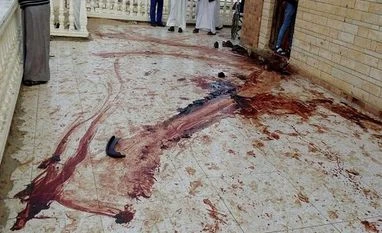
Bir al-Abd : A blood trail on the veranda of Al-Rawda Mosque in Bir al-Abd northern Sinai, Egypt a day after attackers killed hundreds of worshippers, on Saturday, Nov. 25, 2017 | AP/PTI
The bomb-and-gun attack in Egypt’s north Sinai on Friday November 24 is now known to have killed more than 300 worshippers at a Sufi-affiliated mosque, making it the deadliest attack in modern Egyptian history. Carried out by terrorists claiming links with the so-called Islamic State (IS), the attack exposed just how weak a grip the Egyptian state has in Sinai – and by extension, just how dangerous this piece of pivotal territory is for the rest of the region.
Though the scale of Friday’s attack is unprecedented, Sinai has been unmanageable for years, if not decades. Many security experts agree that large parts of it fit the definition of an “ungoverned space”: the monopoly of force that the Egyptian state should exercise there is weak or nonexistent, while government services to citizens are extremely poor. This makes Sinai ideal territory for violent jihadist militant groups.