


BUDGET WISHLIST: Retail firms want a definite timeline for GST rollout
In the run-up to Union Budget for 2015-16, Business Standard looks at major developments and industry expectations in key sectors of the economy
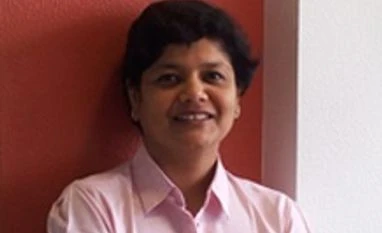)
Rachna Nath, leader (retail & consumer practice), PwC India
RETAIL SECTOR
KEY DEVELOPMENTS
- Rise of e-tail: Online marketplaces and e-commerce are disrupting business of physical retail stores
- Investments: Several e-commerce companies have received big investments lately
- Organic growth: Retailers are expanding in Tier-II and -III cities. Consumer demand in smaller towns and cities, reasonably priced real estate and a focus on local manufacturing will aid consolidation and growth of organised retailing
- Acquisitions: The year 2014-15 has seen a pick-up in acquisitions, both in retail and consumer space, and an increased interest in the food sector
- Variety: Both restaurants and food-based consumer firms have experimented with a variety of global and national cuisines and tastes
KEY ISSUES
Read our full coverage on Union Budget
- GST implementation: This would go a long way in eliminating tax inefficiencies across sectors and boost manufacturing. The FMCG sector — and now e-commerce — will benefit by rationalisation of warehousing capacities in various regions. Logistics companies also stand to gain
- Private labels: Development of these by large retailers is emerging as a threat to FMCG firms and original equipment manufacturers
- Supply chain: Inefficiencies continue to be a cause for concern, especially for big-format retailers. Cold chain infra and warehousing capabilities need to be increased
- Status: No industry status for the retail sector is a drag

CEO BYTE
Govind Shrikhande, Customer care associate & managing director, Shoppers Stop
EXPERT VIEW
Business Standard had invited readers’ queries on the Budget for 2015-16. A PwC expert answers key questions
Rachna Nath, leader (retail & consumer practice), PwC India
The finance ministry had proposed a threshold limit of Rs 25 lakh for GST. Since states have a significant number of VAT dealers with turnovers between Rs 10 lakh and Rs 25 lakh, the empowered committee of state finance ministers in August last year recommended a threshold of Rs 10 lakh for general-category states and a lower one of Rs 5 lakh for special-category and northeastern states.
According to the finance ministry, the Rs 10 lakh threshold limit for GST is too low to create a business-friendly tax administration.
What are the expectations on retail play in the times to come?
Reinventing the physical-store format and collaborations in the online and offline space will be the order of the day. E-commerce and traditional retail firms joining forces to complement each other will result in a pan-Indian coverage of consumers and boost supply chain and distribution infra. The focus will, therefore, be on growth and improving the supply chain in India.
Don't miss the most important news and views of the day. Get them on our Telegram channel
First Published: Feb 25 2015 | 12:10 AM IST