


ABB India to expand its access to electricity program
The program, which focuses on productive use of affordable electricity and promotion of local economic growth, will include another five villages in Barmer (Rajasthan) in 2015
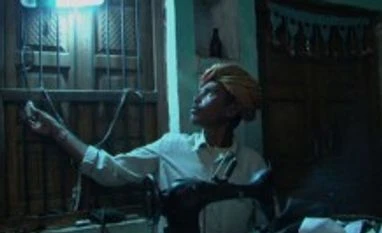)
Solar power via ABB's Access to Electricity program has helped to increase productivity of local crafts people
ABB India has decided to expand its flagship sustainability initiative ‘access to electricity’ program to more than 500 households across five villages in Barmer, Rajasthan. Over a period of time the program has covered seven villages in Barmer, reaching out to almost 1,200 households and impacting more than 7,000 lives.
‘Access to electricity’ is a demand driven bottom up approach to rural electrification that was launched in 2002. The program focuses on productive use of affordable electricity and promotion of local economic growth. Internationally ABB has undertaken this initiative in Tanzania and Myanmar. ABB India has already been executing this program across 100 villages in Sunderbans, West Bengal in addition to Barmer, Rajasthan. While a mini-grid was set-up in Tanzania, the other locations involved solar PV home lighting kits with charging provisions in these energy dark areas.
Raja Radhakrishnan, country head, human resources and sustainability, ABB India Limited, said, “Access to electricity is one of our key initiatives in sustainability and symbolises our belief in power and productivity for a better world. It is not only about providing access, but we look at different ways to improve lives through access to electricity. India has more than 300 million without access to electricity spread across this huge country. ABB India with more than 100 years of global expertise and experience in power is well positioned to address this issue with various innovative offgrid, microgrid and nano-grid solutions.”

In Rajasthan, the productivity of weavers and tailors has risen by 50 percent and 40 percent respectively; they can now work at night avoiding searing daytime temperatures. Children can now study after dark, and the number attending school has doubled in two years. Electricity has replaced kerosene, reducing the danger of fires and easing health problems. The nurse at the health center can now treat patients at night, and dispense advice on an electrically recharged mobile phone to patients far and wide. In addition to similar benefits, the initiative in the Sunderbans has also reduced human-wildlife conflicts as there is now less need to collect fuel wood from the forest.
In the upcoming expansion in Barmer, each household will be provided a kit that will include a solar panel, two lamps, a portable lantern, wall switches, control unit with rechargeable battery, USB port and adaptors. The feasibility and implementation is dependent on the requirement and use by local stakeholders. ABB trains the villagers extensively in the upkeep of the batteries and the charging patterns for continual maintenance of these systems.
The energy cost for people in remote and rural areas in developing countries amounts to approximately $1 to $3 per month. Sometimes as much as up to 20-30 percent of the disposable income is used for energy, essentially for charcoal, kerosene and dry batteries. In areas where electricity replaces other commercial fuels, households’ energy costs fall rather than rise. In developed countries people spend approximately 2-3 percent of their income on electricity.
Don't miss the most important news and views of the day. Get them on our Telegram channel
First Published: Jun 06 2015 | 10:02 AM IST