


The hidden risk of buying a house too early: When EMIs crush cashflow
Buying a house too early can feel like success - but as Vijay Maheshwari warns, true financial freedom comes from cashflow, not concrete.
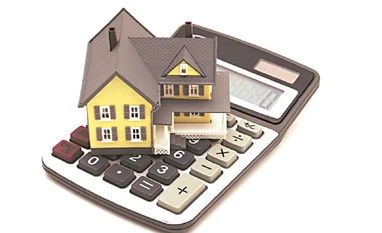 "home loan")
“An appreciating asset is not the same as financial freedom,” Maheshwari noted. “Only cashflow-generating assets give you flexibility and security.”
Listen to This Article
For many young professionals, buying their first home feels like a milestone of success — a symbol that they’ve “made it.” But as financial planner Vijay Maheshwari, CWM®, warned, that emotional milestone can quietly become a financial misstep.
“An appreciating asset is not the same as financial freedom,” Maheshwari noted. “Only cashflow-generating assets give you flexibility and security.”
The Pandemic-Era Trap: “My Salary Doubled — Let’s Buy a Home”
In 2020, as the tech sector boomed, many coders and startup professionals saw their salaries jump overnight.
A developer earning ₹3 lakh a month suddenly made ₹15 lakh. Flush with confidence, many took the next “logical” step — buying ₹1 crore apartments in Bengaluru or Hyderabad.
Also Read

 "Photo: Shutterstock")
 "bank loan, banks")
 "Home Loan, Loan, Home, House")
 "Stock market LIVE updates")
 "RITES new logo")
“They assumed: next year ₹30 lakh, then ₹60 lakh… easy EMIs,” Maheshwari said. “But life doesn’t move in straight lines.”
Then came the layoffs. Startups ran out of cash, projects were shelved, bonuses vanished. The house appreciated in value, but it didn’t pay the bills. EMIs, however, didn’t take a break.
When Aspirations Meet Arithmetic
Financial planners call this the “Chinese Math” trap — overestimating future income growth while underestimating risk.
A Marcellus Investment Managers study cited by Maheshwari found that first home loan cheque bounce rates are now highest in Bengaluru and Hyderabad, cities where tech salaries had soared during the pandemic. During COVID, a lot of families bought larger flats because both partners were working from home. Now that the job situation has turned adverse in tech, those families are finding it hard to keep up with both personal loan repayments and mortgage finance repayments.
“The house may be worth more on paper,” Maheshwari wrote on LinkedIn, “but without steady cashflow, even appreciation becomes meaningless.”
The Real Financial Lesson
- Owning property gives emotional security — but not financial freedom.
- True freedom, Maheshwari argued, comes from cashflow, not concrete.
- “Before buying a house,” he advised, “ask: Will this house pay me — or will I pay for it?”
That means focusing first on income-generating investments — such as equities, mutual funds, or side businesses — before locking capital into a home that doesn’t generate returns.
A ₹1 crore home appreciating 7% a year gives ₹7 lakh in “paper wealth.” But a ₹1 crore diversified portfolio earning 10% can generate ₹8–10 lakh annually — in actual, usable cashflow.
Home vs. Freedom: The Balancing Act
Financial planners increasingly recommend delaying home purchases until:
You’ve built at least 12–18 months of emergency savings, your EMI doesn’t exceed 25–30% of monthly income, and you’ve established one alternate income stream (investments or business).
The emotional satisfaction of owning a house early can be real — but so is the financial strain of paying for it too soon.
In today’s uncertain job market, the new definition of financial maturity isn’t owning a house — it’s owning your cashflow.
Owning a home is emotional. But financial freedom comes from cashflow, not concrete
More From This Section
 "John Abraham")
 "CREDIT CARDS, CREDIT CARDS ADVANTAGE, BENEFITS OF MULTIPLE CREDIT CARDS, CREDIT CARD TRANSACTION, Credit Utilisation Ratio, CUR,")
 "retail investors,equity investments,mutual funds,domestic institutional investors,net flows,stock market,Nifty returns,investment strategy")
 "Mutual Fund")
 "Money, finance")
Topics : Top-up home loan
Don't miss the most important news and views of the day. Get them on our Telegram channel
First Published: Nov 04 2025 | 9:45 AM IST