


Home / Finance / Personal Finance / From utility to sanctuary: Why Indians are investing in luxury bathrooms
From utility to sanctuary: Why Indians are investing in luxury bathrooms
Once a functional afterthought, the bathroom is now one of the most invested-in spaces in Indian homes, driven by wellness, design and long-term performance
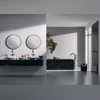 "The modern luxury bathroom in India has moved far beyond gold taps or ornamental fittings")
premium
The modern luxury bathroom in India has moved far beyond gold taps or ornamental fittings.
9 min read Last Updated : Jan 29 2026 | 4:51 PM IST
Listen to This Article
Not long ago, bathrooms in Indian homes were treated as purely functional spaces — tucked away, standardised and rarely a focus of serious design or spending. Today, that hierarchy has decisively shifted. For affluent Indian homeowners, the bathroom has emerged as one of the most invested-in spaces in the home, evolving into a private sanctuary shaped by wellness, daily need, and long-term comfort rather than visual excess or status display.
Across metros and premium residential markets, spending on bathrooms now rivals kitchens, not just in budget but also in planning. Spa-inspired showers, smart toilets, tactile materials, quiet design and integrated wellness features are redefining what luxury means: not ornamentation, but something deeply lived-in. The bathroom is no longer a peripheral space; it has become central to how Indians experience comfort and downtime at home.
Why experience now matters more than excess in luxury bathrooms
The modern luxury bathroom in India has moved far beyond gold taps or ornamental fittings. Instead, it is increasingly defined by three interconnected shifts: experience-driven upgrades, wellness-led functionality, and minimal, invisible design.
Experience now sits at the heart of bathroom planning. Rain and steam showers, thermostatic controls, and customised water pressure and temperature zones are no longer indulgences reserved for five-star hotels; they are becoming standard expectations in premium homes. These features are designed not to impress visually, but to deliver consistency, comfort and ease in everyday use—qualities that matter far more when a space is used multiple times a day.
Wellness has become the second major driver. Smart toilets with bidet functions and heated seats, anti-bacterial surfaces, natural materials and calming, spa-like palettes reflect a deeper focus on hygiene, recovery and daily wellbeing. Bathrooms are increasingly seen as spaces where the day both begins and ends—zones that must support energy in the morning and restoration at night.
Equally significant is the move towards quiet, concealed luxury. Wall-hung WCs, hidden cisterns, floating vanities and clutter-free layouts are replacing visually loud fittings. The emphasis is on clean lines, ease of maintenance and longevity, signalling a preference for design that disappears into daily life rather than demanding attention.
How materials and design choices shape longevity
Design sensibilities have evolved in parallel with functionality. Hardesh Chawla, founder and managing director, Essentia Environments, says bathrooms today are increasingly being designed as private wellness spaces rather than functional wet areas. The shift, he notes, is away from glossy, decorative finishes towards warm, tactile materials that feel calming and age well over time.
According to Chawla, natural stones with soft veining, fluted or textured tiles, brushed metals and muted, earthy colour palettes now dominate contemporary bath spaces. Shades such as sand, clay, warm whites, soft greys and deeper stone hues are preferred over stark contrasts, reflecting a desire for timeless, soothing environments rather than visual drama.
Longevity sits at the centre of this thinking. Bathrooms are among the most frequently used spaces in a home, making durability, comfort and ease of maintenance as important as visual appeal. Lighting has also become a key design consideration. Layered ambient and task lighting helps avoid harsh glare, while ensuring finishes look good in both daylight and artificial light—an often-overlooked aspect of long-term satisfaction.
Where Indian homeowners are spending their bathroom budgets
Spending patterns reveal how serious Indian consumers are about this shift. The largest allocations are being made towards high-end showers and faucets, smart toilets and bidets, sensor-lit and storage-led vanity units, and premium surfaces such as stone, textured tiles and matte finishes.
Price points reflect the scale of investment. Faucets typically range from Rs 30,000 to Rs 3 lakh, smart toilets from Rs 1.5 lakh to Rs 8 lakh, and shower systems from Rs 1 lakh to Rs 10 lakh and beyond. Wellness products such as whirlpools, steam solutions and saunas can push bathroom budgets even higher, particularly in luxury homes and second residences.
Driving this premiumisation are global and Indian brands, including Hansgrohe, Kohler, Grohe, TOTO and Jaquar. But Indian buyers are no longer brand-blind. Warranty coverage, water efficiency, after-sales service and long-term durability now weigh as heavily in purchase decisions as aesthetics and finish—a sign of growing maturity in consumption.
Why performance now defines spa-level luxury
Spa-level luxury in bathrooms today is defined by intuitive performance rather than technological excess. Priya Rustogi, leader (managing director), India, LIXIL IMEA, says the focus has shifted from adding features to delivering a consistently refined experience that supports everyday wellbeing. “Spa-level luxury is not created by complexity,” she explains. “It is defined by precision, reliability, and how seamlessly the space supports moments of restoration in everyday life. A true spa experience comes from how intuitively water, temperature and flow respond to the user.”
This philosophy is increasingly reflected in Indian consumer preferences, with a visible shift towards shower-led wellness rather than technology-heavy installations. “Rain showers remain highly popular, especially when paired with thermostatic controls that ensure comfort and consistency,” Rustogi says, emphasising that predictability of temperature and flow matters more to users than novelty.
Multi-spray shower systems are also gaining traction, offering flexibility without added complexity. “Consumers like the ability to personalise water texture—energising sprays in the morning, calming flows in the evening—as long as the system remains simple and easy to use,” she adds.
More immersive wellness features such as steam and aromatherapy remain largely concentrated in premium homes and second residences where space allows for dedicated wellness zones. Overall, Rustogi observes a growing maturity in buying behaviour. “Indian consumers are becoming more discerning. They increasingly value solutions that feel purposeful, easy to use and durable over time, rather than features that look impressive but are rarely used.”
Common mistakes buyers still make in premium bathrooms
Despite higher spending, common mistakes persist. One of the most frequent, Rustogi notes, is choosing fittings primarily for appearance. “Finishes and visual appeal do matter, but premium bathroom fittings must also deliver long-term reliability and consistent comfort,” she says. “When products are selected purely for their look, essentials such as water control, durability and ease of maintenance are often overlooked.”
Another issue is fragmented decision-making. “Bathrooms operate as complete environments, yet fittings are sometimes treated as standalone elements,” she explains. Without adequate consideration of water pressure, plumbing infrastructure or daily usage patterns, even high-end products can underperform and compromise the overall experience.
She also stresses the importance of early planning and professional installation. “High-quality fittings are engineered for precision, and their benefits are best realised when they are specified correctly from the outset,” she says. “Working closely with architects, designers and trusted brands during the planning stage helps align aesthetics, technical performance and long-term usability.”
Ultimately, premium bathrooms are about restraint and foresight. “Luxury today is not about doing more,” she says. “It’s about doing the right things well—and making them last.”
How identity-led luxury is shaping bathroom choices
Luxury bathroom consumption itself is undergoing a deeper shift. According to Sandeep Shukla, vice president and head of marketing communications, Jaquar Group (Global Operations), luxury bathroom buying is shifting from aspiration-led consumption to identity-led choice, particularly among younger high-net-worth consumers. Bathrooms are increasingly seen as personal sanctuaries of wellness and self-expression.
As luxury homes become more design-forward and experience-led, bathrooms are expected to match the same level of refinement, with curated finishes, international aesthetics and integrated wellness elements that feel personal rather than performative.
What defines a premium bathroom in 2026
A premium bathroom in 2026 is defined less by surface luxury and more by how intuitively it performs over time. Abdulkader Bengali, managing director, Hansgrohe India, says premium today is about the seamless integration of design excellence, functionality and responsible resource use. “Premium is no longer just about visual appeal or luxury finishes,” he explains. “It is about creating a holistic water experience that enhances everyday wellbeing, delivering consistent performance, long-term reliability and thoughtful technologies that reduce water and energy consumption without compromising comfort.”
Indian homeowners are also redefining how bathrooms are used and valued. Urban consumers are increasingly seeking sleek, contemporary fittings that are visually refined, feel good to use and stand up to everyday demands. “Bathrooms in India are increasingly being viewed as lifestyle spaces rather than utility zones,” Bengali says.
At the same time, practical considerations such as water efficiency and durability are becoming central to purchase decisions. “Modern showers and faucets with water-saving technologies are gaining traction, driven by both environmental awareness and regulatory emphasis,” he notes, adding that adoption of water-efficient fittings has grown by about 45 per cent since 2021, according to the Ministry of Housing and Urban Affairs.
With hard water conditions and frequent usage common across Indian homes, durability remains critical. “Indian buyers are striking a balance—unlike European markets that prioritise sustainability compliance or Middle Eastern markets that favour statement luxury, Indian consumers value thoughtful design, functionality, water efficiency and long-term performance in equal measure,” Bengali says.
How to make small bathrooms work better
Despite rising budgets, design professionals say several errors remain common. Chawla points out that waterproofing and drainage detailing are often overlooked, even though poor execution can undermine the best design over time. Ventilation is another critical but neglected factor, particularly in India’s climate, where inadequate exhaust systems can lead to moisture build-up, mould and long-term damage.
Storage planning is also underestimated. Thoughtfully designed vanity units, recessed niches and concealed storage can make even compact bathrooms feel organised and calm. Fixture placement and proportion matter equally; oversized fittings in small bathrooms or poorly planned sanitaryware layouts can compromise movement and daily comfort.
With premium condominiums increasingly offering smaller bathroom footprints, intelligent planning has become essential. Clear zoning of wet and dry areas helps visually expand the space and improves usability. Wall-mounted sanitaryware, floating vanities and concealed cisterns reduce visual clutter and free up floor area. Large-format tiles with minimal grout lines, combined with mirrors and glass partitions, maintain visual continuity and light.
To conclude, the modern bathroom is a daily-use space where design, wellness, efficiency and durability intersect. For Indian homeowners willing to spend more, the payoff is not spectacle but quality of life — a quiet sanctuary that performs consistently, ages gracefully and supports everyday wellbeing. In that sense, the bathroom has become one of the clearest markers of how luxury in India is being redefined: not louder, but smarter, calmer and more personal.
Topics : Personal Finance LUXURY BS Reads