


Iron deficiency is easier to miss than you think: Here's what to know
Health experts warn that fatigue, brittle nails, or poor focus may be early signs of iron deficiency. Here's a practical explainer on symptoms, causes, and safe treatment
 "iron deficiency")
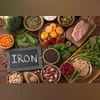
Building meals around iron-rich foods is one of the simplest ways to prevent low iron and maintain good health. (Photo: Adobestock)
Listen to This Article
For many, constant tiredness has become part of modern life. But when exhaustion lingers despite rest, it may be more than just a busy schedule. Iron deficiency, one of the most common yet under-recognised nutritional issues, can quietly drain your energy and affect your overall wellbeing.
What makes it harder to detect is how easily the signs blend into everyday life. Pale skin, brittle nails or shortness of breath often go unnoticed until the deficiency becomes severe. Recognising these subtle clues early can help prevent long-term health problems and restore your energy before it spirals into anaemia.
Overlooked warning signs
- Fatigue
- Pale skin
- Unusual tiredness after light physical exertion
- Brittle nails
- Ice or mud cravings (a condition known as pica)
- Inability to concentrate or focus
- Restlessness in their legs at night
“Most of these symptoms can present well before there is any anemia,” says Dr Kunal Sehgal, MD and Chief Pathologist, Neuberg Sehgal Path Lab, Mumbai.
One commonly overlooked sign of iron deficiency is heavy menstrual bleeding, shares Dr Hamza Dalal, Consultant-Haematology, Fortis Hospital, Mulund, Mumbai. “Many women believe that heavy bleeding during periods is normal. Over time, this leads to a gradual drop in haemoglobin and eventually iron deficiency anaemia,” he says.
Iron deficiency anaemia
“Iron deficiency anaemia affects nearly half of India’s population, especially women. Its signs often go unnoticed or are mistaken for stress, yet the condition can cause persistent fatigue, poor stamina, and reduced work capacity,” says Dr Dalal.
Also Read

 "relationship conflict")
 "poor sleep brain health")
 "daily protein requirement")
 "study on tramadol - increased heart risk")
 "Eli Lilly's Mounjaro")
According to the National Family Health Survey (NFHS-5, 2019–21), 67 per cent of children and 59 per cent of adolescent girls are anaemic, while three in four women have low iron intake. This widespread prevalence stems from poor nutrition, early pregnancies, inadequate maternal care, and limited access to iron-rich foods, making it a pressing public health concern that calls for urgent, sustained action.
Who is most at risk
- Women of childbearing age, pregnant women, teenage girls, and young children have increased iron needs.
- Plant-based iron is less bioavailable; therefore, people following a vegetarian or a vegan diet may be at a higher risk.
- Individuals with chronic disease, gastric impairment, or those who have undergone major surgery.
- Frequent blood donors may experience iron deficiency if they do not increase their iron intake during the replacement period.
Finding the root cause
Diagnosing iron deficiency involves blood tests that measure haemoglobin and ferritin levels. But identifying why someone is deficient is just as important. Causes typically include:
- Low dietary intake of iron-rich foods
- Blood loss, especially menstrual or gastrointestinal bleeding
- Poor absorption, due to gut disorders or certain surgeries
- Inadequate blood flow to the intestinal tract can cause iron malabsorption.
Dr Dalal adds, “In older adults, iron deficiency is often not due to poor diet alone but may indicate hidden bleeding in the digestive tract, such as from the stomach or intestines.”
“With new wellness genomics testing, the potential for genetic involvement can be assessed. Because of small genetic variations, certain people naturally absorb or store iron differently,” explains Dr Sehgal. By combining nutrigenomics with regular blood tests, doctors can identify the root cause of iron deficiency and personalise diet or supplement plans more effectively, he says.
Managing iron deficiency
Treatment usually involves a combination of dietary changes, supplements, and lifestyle adjustments to restore iron levels and address the underlying cause.
Dietary measures:
Include more iron-rich foods such as lean meats, fish, lentils, spinach, and fortified cereals in your daily meals. Pairing these with vitamin C–rich foods like oranges, amla, or bell peppers can enhance iron absorption.
Lifestyle measures:
Maintain a balanced, regular diet and seek medical advice for any unusual or prolonged bleeding. Early intervention can prevent iron deficiency from worsening.
Supplements:
When diet alone isn’t enough, doctors may prescribe iron supplements, often taken on alternate days to reduce side effects. In some cases, intravenous (IV) iron is recommended for faster replenishment or when absorption from the gut is poor.
“Iron supplements should be taken on an empty stomach or with lemon juice to boost absorption. They should not be consumed with food, milk, or tea, as these can reduce iron uptake,” cautions Dr Sehgal.
Dr Dalal adds, “Although rare, about one in 100 patients may experience infusion reactions, so IV iron should always be administered in a facility equipped to handle such events.”
Barriers to treatment
Even after diagnosis, treatment can be a challenge. One of the biggest challenges in treating iron deficiency is the poor tolerance and absorption of oral iron tablets, despite their easy availability.
“Many patients experience gastric discomfort, and once they feel slightly better, they tend to discontinue the tablets prematurely. As a result, the deficiency remains only partially corrected,” shares Dr Dalal.
Dr Sehgal adds, “Ideally, a patient should continue to have iron supplements for three to six months more after their Haemoglobin level normalises to replenish iron stores.”
Public awareness about iron deficiency remains limited, with many people dismissing fatigue as normal or assuming that only women are affected. In reality, men, children, and older adults are equally vulnerable. Health experts emphasise that greater awareness of the condition, its early signs, regular testing and preventive strategies is key to improving health outcomes. India’s National Health Mission initiatives such as ‘Anaemia Mukt Bharat’ programme aims to challenge these misconceptions and encourage regular screening.
Risks of taking untested iron supplements
Self-medicating with iron supplements without proper testing is strongly discouraged by experts. Excess iron can irritate the stomach lining, leading to gastritis and, in severe cases, gastric ulcers or bleeding. Anyone suspected of having anaemia should always be evaluated by a doctor to confirm iron deficiency before starting treatment.
The biggest risk lies in taking iron unsupervised. “Many assume, ‘I take it to gain more energy’, but too much iron can actually harm vital organs such as the liver and heart. Always test for a deficiency before starting any supplement as vitamins and minerals are meant to address a proven need, not guess a potential problem,” explains Dr Sehgal.
For more health updates, follow #HealthwithBS
This report is for informational purposes only and is not a substitute for professional medical advice.
More From This Section
 "omega 3 deficiency")
 "cough syrup")
 "guidelines for postpartum haemorrhage")
 "mental health, children, trauma")
 "multivitamins, daily supplements")
Don't miss the most important news and views of the day. Get them on our Telegram channel
First Published: Oct 08 2025 | 4:10 PM IST