


Apple may soon let iPhone users share photos, navigate, more via satellite
Apple is reportedly developing new satellite features for iPhones, including navigation in Apple Maps, photo sharing in Messages, 5G satellite connectivity, and third-party app integration
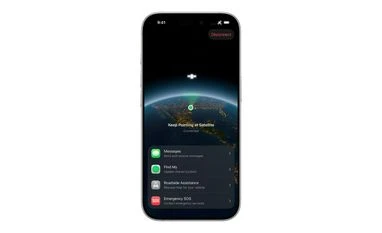 "Existing satellite features on iPhones")
Existing satellite features on iPhones (Source: Apple)
Listen to This Article
Apple is reportedly working on several new satellite-based capabilities for future iPhones. According to a report by MacRumors, citing Bloomberg’s Mark Gurman, Apple is developing features such as satellite navigation in Apple Maps, media sharing via satellite in Messages, support for 5G satellite connectivity, and more.
Currently, Apple’s satellite functions are limited to emergency SOS, Find My tracking, basic text messaging, and roadside assistance. The new set of features under development could significantly expand what users can do without relying on traditional cellular or Wi-Fi networks.
New satellite features coming to iPhones: What to expect
According to Gurman’s report, Apple is working on at least five new satellite-enabled features for future iPhones:
- Apple Maps via satellite: Allows navigation in Apple Maps without requiring Wi-Fi or cellular data.
- Photos in Messages via satellite: Enables users to send images through the Messages app using a satellite connection.
- Natural usage: Lets iPhones maintain satellite connectivity indoors, removing the need to physically point the device toward the sky.
- Satellite over 5G: Integrates Non-Terrestrial Network (NTN) technology, enabling cell towers to connect directly with satellites to improve coverage in remote areas.
- Satellite API for third-party apps: Introduces a new developer framework that allows app makers to integrate satellite communication capabilities into their own apps, though compatibility may vary.
Earlier this year, Bloomberg reported that Apple has been collaborating with Elon Musk’s SpaceX and US carrier T-Mobile to enable Starlink-powered satellite connectivity for iPhones. The companies have reportedly begun internal testing on select iPhone models running iOS 18.3 or later as part of the T-Mobile Starlink beta program.
Also Read

 "iPhone Air in Cloud White colour")
 "Apple iOS 26.2 public beta 1 on iPhone 17 (Screenshot)")
 "Motorola Edge 70")
 "Apple")
 "Tech Wrap November 5")
Separately, The Information recently reported that Apple plans to introduce satellite-based 5G connectivity support with the iPhone 18 Pro models, expected to launch next year.
How these satellite features could work
At present, Apple’s satellite features — such as Emergency SOS and Roadside Assistance — are offered free of charge. However, for future advanced capabilities, Apple reportedly intends to adopt a hybrid model where certain core services remain free, while others may require direct payments to satellite carriers such as Globalstar, which currently powers Apple’s existing satellite infrastructure.
According to Gurman, Apple has also explored the possibility of running its own satellite service but ultimately decided against acting as a telecom carrier. Instead, the company plans to maintain control over essential features while letting partners like SpaceX or other carriers handle premium or extended satellite connectivity options.
For now, Apple is not expected to enable voice calls, video calls, or full web browsing over satellite connections — at least in the near term.
More From This Section
 "OpenAI")
 "Cyber attack")
 "IT Industry")
 "Technology, Startups, Space startup, Food delivery")
 "AI WORKER, AI EMPLOYEE, artificial intelligence")
Topics : Apple iPhone Satellite Technology
Don't miss the most important news and views of the day. Get them on our Telegram channel
First Published: Nov 10 2025 | 10:49 AM IST