Senior-level exits rock Mattel India again
In recent years, competition from rivals Lego and Hasbro, both in India and globally, has grown for Mattel, prompting it to act swiftly
Viveat Susan Pinto Mumbai For the second time in a year, the India office of toy maker Mattel Inc has been rocked by senior-level exits. Three top directors, with some employees across sales, marketing and operations, stepped down last week.
This comes as Mattel, dethroned last year as the world's biggest toy maker by Danish major Lego, renews aggression in India, a market it considers key.
In response to a detailed questionnaire, a Mattel spokesperson, said, "India continues to be a key market for Mattel, and to align ourselves to global strategy, we have taken steps to right-size our business. We are committed to delivering long- term value to our partners and team in India and will continue with all our growth initiatives."
While it provided no details on the exits, it is understood the staff strength at the office in this city, head office in the country, has come down. In September 2014, the company had appointed expatriate Jacob Botta as the India head. This followed the exit of erstwhile country head Karun Gera earlier in the year, with senior members of his team.
In a conversation with Business Standard soon after the exits last year, Peter Broegger, senior vice-president and general manager, (Asia-Pacific), Mattel East Asia, said: "Resignations happen as part of every normal business. People join and leave Mattel every day."
He'd also said India was among the top five markets in Asia-Pacific, the others being China, Japan, Australia and Southeast Asia. "We have been through ups and downs. The toy industry has been through its ups and downs. There are years when we have great movies and properties. There are years when we make the wrong bets," he said.
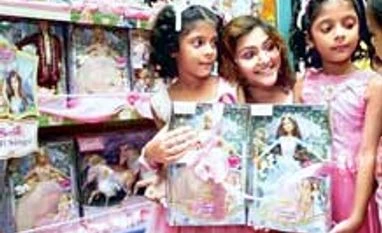
Besides the popular Barbie range of dolls, Mattel produces Hot Wheels in the boys segment and Fisher Price for pre-schoolers. In recent years, competition from rivals Lego and Hasbro, both in India and globally, has grown for Mattel, prompting it to act swiftly. The company replaced its worldwide chief executive Bryan Stockton last week, after global sales fell for a fifth straight quarter. In India, the company has been localising its range, which Broegger had said was 25 per cent of its portfolio, and pushing products into smaller towns and cities.
In the domestic market, rival Hasbro has a joint venture with MRF Tyres called Funskool. This company became the exclusive distribution partner of Lego in India around five years earlier. Broegger had alluded to this in his interaction last year, saying his company had opted to set up a full-fledged office in India as opposed to working through distributors. "A full-blown organisation means having staff, investing in their training and development, travel, etc. From a marketing and branding point of view, we obviously make a lot of investments to ensure our business grows," he said.
TROUBLED TIMES - Three top directors, with some employees across sales, marketing and operations, stepped down last week
While the company gave no details, it is understood the staff strength at the office in Mumbai, head office in the country, has come down
Besides the popular Barbie range of dolls, Mattel produces Hot Wheels in the boys segment and Fisher Price for pre-schoolers 
 "Senior-level exits rock Mattel India again")


 Connect with us on WhatsApp