With Covid-related deaths mounting amidst a healthcare system stretched beyond its limit, the Delhi government today extended the ongoing curfew by a week. The restrictions that were imposed on April 20 will now remain in place at least till 5 am on May 3.
“The coronavirus situation had worsened, which is why we started a six-day lockdown last week. It is scheduled to end tomorrow. But the infections are continuing to rise. In view of this, everybody agrees that we need to extend the restrictions to curb the spread further,” Chief Minister Arvind Kejriwal said.
Since the curfew was imposed, while the number of reported cases has come down marginally, the number of deaths have increased. From 28,395 new Covid cases on April 20, the national capital registered 24,103 cases yesterday (April 24), but the daily death toll surged from 277 to 357, the highest ever recorded. Recent data suggests that the positivity rate has increased to 36 per cent from 25 per cent two weeks ago. An acute shortage of oxygen and hospital beds have caused the situation in Delhi to deteriorate further.
The extension of the curfew is, however, expected to take a heavy toll on retailers. According to Kumar Rajagopalan, chief executive of Retailers’ Association of India (RAI), a total ban on delivery of non-essential goods is causing havoc. “This is now making it impossible for retailers to survive as they are unable to meet even their fixed expenses,” he said.
According to RAI, various restrictions and localised lockdowns in metros across India are costing the retail industry 50 per cent of its overall business.
Estimates suggest the closure of all retail hubs for a week caused a loss of Rs 2,000 crore to Delhi’s retail business. “As the curfew now gets extended, we are again staring at last year’s downward cycle,” said Sanjiv Mehra, president of Khan Market Traders’ Association. “Like last year, the retailers are now getting into the trap of overdue rent payment and payment to their staff.” With all shops shut, the prime central Delhi market has already lost its entire business in the past few days.
While traders in Delhi have been in favour of extending the curfew, retailers argue that all delivery services should have been allowed so that they could recover some part of their costs. The government has so far allowed only essential deliveries through e-commerce in the capital. RAI has demanded that non-essential goods and offline retailers should also be included in the exemption list. Traders are, after all, voluntarily keeping their shops and markets shut, Mehra said.
To recover from this loss, retailers will need economic support from the government, said Rajagopalan. “We would require some support in the form of rent or tax waiver in the coming days.”
Traders’ bodies such as the Confederation of All India Traders have, however, appreciated the government’s move to extend the curfew, which they believe will help break the chain of infection.
According to Bharat Ajuha, president of Delhi Electrical Traders’ Association at Chandni Chowk, traders at the largest electrical hub in North India were anyway prepared to keep their market shut for another week. “Loss of lives is the most important issue at the moment that needs to be addressed,” he said. “We are taking all measures to help and support the workforce so that their loss of livelihood can be minimised.”

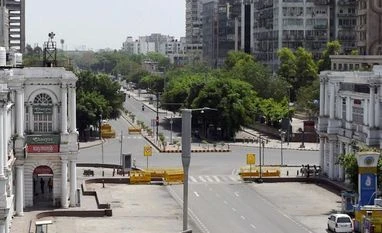 "Delhi extends curfew as Covid situation grim; retailers demand support")












 Connect with us on WhatsApp