Analysts see RBI remain accommodative, hold rates in June 4 policy review

In April, the six-member monetary policy committee had voted unanimously for a status quo on the key rates
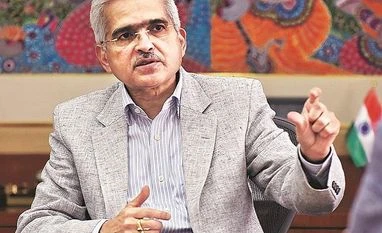
rbi governor, shaktikanta das
Puneet Wadhwa New Delhi
4 min read Last Updated : May 27 2021 | 11:46 AM IST
Inflation and growth concerns amid firm commodity prices and the second wave of Covid that triggered sporadic lockdowns across key cities in India could see the Reserve Bank of India (RBI) maintain an accommodative stance in its upcoming policy review between June 2 and 4, say analysts.

In April, the six-member monetary policy committee had voted unanimously for a status quo on the key rates ‘for as long as necessary to sustain growth on a durable basis and continue to mitigate the impact of Covid-19 on the economy, while ensuring that inflation remains within the target going forward.’

That said, the focus is now likely to shift to kick starting economic growth, yield management along with managing inflation. Over the past few weeks, most brokerages and research houses such as Nomura, Barclays, Moody’s, QuantEco, CARE Ratings and Crisil have already cut India’s gross domestic growth (GDP) growth projection by as much as 30 per cent from what was forecast earlier in the year.

ALSO READ: Barclays pegs India's FY22 GDP growth at 7.7% in bear-case scenario

A normal monsoon for the third consecutive year, analysts say, could help keep inflation under check though firm commodity prices pose a risk. India’s retail inflation, as measured by the Consumer Price Index (CPI), eased to 4.29 per cent in April (5.52 per cent in March) as food prices declined.

Going ahead, Crisil expects CPI inflation to moderate to 5 per cent in fiscal 2021-22 (FY22) from 6.2 per cent in FY21. This, it said, was based on lower food inflation benefitting from the high base of last year and assuming a normal monsoon.

"However, upside inflation risks are clearly growing. On top of rising input prices, supply disruptions brought on by the intensification of the second Covid-19 wave in rural India are adding to the stock of inflationary pressures," says Dharmakirti Joshi, chief economist at Crisil.

ALSO READ: RBI governor meets private bank chiefs over measures to ease Covid pain

Here is what leading brokerages and research houses expect from the central bank next week:

Morgan Stanley

We expect RBI to keep rates on hold and maintain its accommodative stance at the upcoming meeting, amid heightened uncertainty from the recent COVID resurgence. We expect the central bank to announce another tranche of its Government Securities Acquisition Program (G-SAP) programme to manage the yield curve and ensure benign financial conditions. In addition, we will remain watchful of any measures that influence the short-term rates, currently tracking at the lower end of the policy rate corridor.

Barclays

RBI’s June policy meeting is likely to pick up where the unscheduled May policy interventions left off. the Monetary Policy Committee has no option but to stay accommodative, even as it monitors incipient price pressures, and keep all rates on hold, while likely extending its  G-SAP.

It will continue to observe downside risks to its growth outlook, and most likely downgrade GDP growth from its present 10.5 per cent for FY2021-22 to somewhere in high single digits. This will most likely incorporate much weaker activity in Q1 FY22, and maybe some lingering effects in Q2 as well.

Nomura

We expect the RBI to prioritize growth and de-emphasise elevated core inflation in light of the uncertainty on the growth outlook amid the second wave. However, as the pace of vaccination accelerates and core inflation remains elevated (our base case), we expect policy normalisation to come into play starting with a reverse repo rate hike in Q4 and a 50 basis point (bp) repo rate hike in H1-2022.

Credit Suisse Wealth Management

The RBI policies could continue to remain accommodative given growth worries. However, there are serious risks to inflation emerging. Globally too, higher commodity prices and potential wage inflation in the USA may lead to hardening of bond yields. In India, too, RBI’s support and intervention in the debt market could keep the yields well anchored.

One subscription. Two world-class reads.

Already subscribed? Log in

Subscribe to read the full story →
*Subscribe to Business Standard digital and get complimentary access to The New York Times

Smart Quarterly

₹900

3 Months

₹300/Month

SAVE 25%

Smart Essential

₹2,700

1 Year

₹225/Month

SAVE 46%
*Complimentary New York Times access for the 2nd year will be given after 12 months

Super Saver

₹3,900

2 Years

₹162/Month

Subscribe

Renews automatically, cancel anytime

Here’s what’s included in our digital subscription plans

Exclusive premium stories online

  • Over 30 premium stories daily, handpicked by our editors

Complimentary Access to The New York Times

  • News, Games, Cooking, Audio, Wirecutter & The Athletic

Business Standard Epaper

  • Digital replica of our daily newspaper — with options to read, save, and share

Curated Newsletters

  • Insights on markets, finance, politics, tech, and more delivered to your inbox

Market Analysis & Investment Insights

  • In-depth market analysis & insights with access to The Smart Investor

Archives

  • Repository of articles and publications dating back to 1997

Ad-free Reading

  • Uninterrupted reading experience with no advertisements

Seamless Access Across All Devices

  • Access Business Standard across devices — mobile, tablet, or PC, via web or app

Topics :RBI PolicyRBI GovernorShaktikanta DasRBI rate cutRBI

Next Story



