The outlook for 2020-21 growth was looking up before the Covid-19 scare. There was a bumper rabi harvest, and higher food prices during 2019-20 provided conducive conditions for the strengthening of rural demand. The transmission of policy rate cuts was also improving, with favourable implications for both consumption and investment demand. Reductions in the goods and services tax (GST) rates, corporation tax rate cuts in September 2019, and measures to boost rural and infrastructure spending were to have a positive impact at boosting domestic demand. But “the Covid-19 pandemic has drastically altered this outlook”, the monetary policy report said.
The central bank now expects the global economy “to slump into recession in 2020, as post-Covid-19 projections indicate”. However, the sharp reduction in international crude oil prices, if sustained, could improve the country’s terms of trade. “But the gain from this channel is not expected to offset the drag from the shutdown and loss of external demand,” the RBI said.
Professional forecasters polled in March, before the announcement of the nationwide lockdown, had expected real GDP (gross domestic product) growth might recover from 4.6 per cent in the fourth quarter of 2019-20 to 6.1 per cent in the fourth quarter of 2020-21.

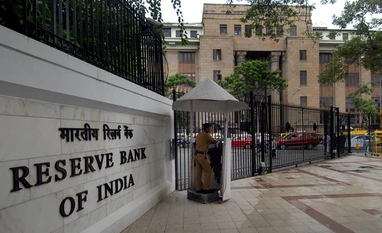 "'Covid-19 hangs over future like spectre': RBI in Monetary Policy Report")










 Connect with us on WhatsApp