Trading in interest rate futures goes live on BSE
Interest rate futures is a need of the business community to hedge their business products: U K Sinha
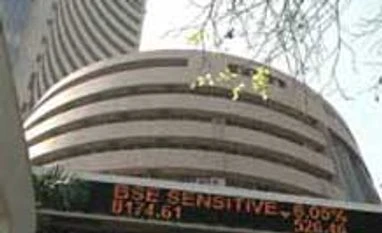
Press Trust of India Mumbai Leading stock exchange BSE on Tuesday launched live trading in new interest rate futures (IRF) in the long tenure 10-year government bonds. “The launch of interest rate futures in its present form is an example of regulators, market participants, institutions working together to jointly develop meaningful products. With all institutions working together, we will be able to take markets to newer heights,” the Securities and Exchange Board of India (Sebi) Chairman U K Sinha said after the launch here.
IRFs is a need of the business community to hedge their business products, he said, adding, that globally, 15-20 per cent of trading volume comes through IRF trading. Stock exchanges and the trading community have to work together to keep the interest alive and volumes up, Sinha said. Futures can succeed if there is liquidity in the underlying market, he said adding, “We look forward to future development in the bond market and we expect more new products.”
The BSE enabled ‘mock’ trading for participants from January 7 of this year. The minimum contract value for price trade has been set at Rs 200,000 ($3,200). The BSE has enabled trading in single security future products including, 7.16 per cent GoI maturing on May 20, 2023, 8.83 per cent GoI maturing on November 25, 2023, and calendar spread facility for trading across three contract months.
Commenting on the development, Ashishkumar Chauhan, managing director & CEO, BSE said, “Globally, the market size of interest rate derivative contracts, such as IRFs is much larger than all other derivatives, including equities and commodities. This will certainly help investors in hedging their risks against the volatile currency markets along with wealth creation.”
Besides trading members, market participants like banks, FIIs, mutual funds, insurance companies, corporate houses, NBFCs, HNIs etc can trade on this product.
The contracts are available in the new trading architecture of BSE trading system, called 'BOLT Plus', which is based on T7, the global trading architecture of Deutsche Bourse AG.
One of the key features of the new system is a response time of approximately 200 micro seconds making it the fastest trading platform in the country today, several times faster than the nearest competitor, Chauhan said.
IRFs seem to have already caught the fancy of investors as exchanges recorded a turnover of close to Rs 9,000 crore in the first week of trading of the product.
NSE, which launched trading in IRF on January 21, clocked a turnover of Rs 5,599 crore with a traded volume of 2,75,561 in the first four days. While, MCX-SX began IRF trading on January 20 and recorded a turnover of Rs 3,330 crore with a volume of 1,63,942 in the week ended Friday last.
The product is expected to benefit banks, brokerage houses, insurance companies and primary dealers, among others.

 "Trading in interest rate futures goes live on BSE")


 Connect with us on WhatsApp