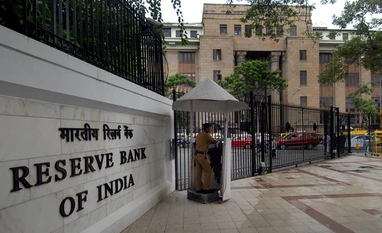
The Reserve Bank of India (RBI) did well to advance the monetary policy committee (MPC) meeting and announce a range of measures to support the financial markets in the wake of the COVID-19 outbreak. The governor indicated that the central bank was prepared to do “whatever it takes” and would consider all instruments, conventional or non-conventional. The RBI was earlier criticised for not doing enough at a time when most central banks were pulling out all the stops to battle a crisis of unimaginable proportions. While the MPC reduced the policy repo rate by 75 basis points, it cut the reverse repo rate by 90 basis points, taking it to 4 per cent. The idea is to discourage the banking system from parking excess liquidity with the central bank. This should help improve the flow of credit in the system. Therefore, along with liquidity measures, the effective accommodation is much higher than the 75-basis point cut in the repo rate. The central bank also reduced the cash reserve ratio by 100 basis points, which will release about Rs 1.37 trillion into the system. Further, it will conduct targeted long-term repo operations (TLTRO) of up to Rs 1 trillion at a floating rate linked to the policy rate, to be deployed in investment-grade corporate bonds, which will be classified as held to maturity. Although the RBI is not directly buying corporate bonds like other large central banks such as the US Federal Reserve, TLTRO will help ease pressure in this segment. Together with the steps taken since the February MPC meeting, the liquidity injection would now be worth about 3.2 per cent of gross domestic product. While it is true that the liquidity injection by itself will not address the problem, it would certainly help in the smooth functioning of the financial markets. The RBI may also need to take targeted measures to address the issues lower-rated bonds are facing.
In another major intervention, the RBI allowed a moratorium on paying instalments in respect of all term loans for three months. Also, companies can withhold interest payment on working capital loans. While these measures will give a much-needed relief to borrowers, it could affect bank balance sheets. The authorities would do well to address such concerns. On the macroeconomic front, the central bank refrained from giving projections on inflation and growth. With a nationwide lockdown, growth is bound to suffer materially. It will also be important to see how this simultaneous demand and supply shock influences inflation outcomes, though the RBI expects it to ease. Clearly, macro outcomes will depend on how soon the virus is contained and normalcy is restored. Every day will count.

 "The liquidity gush")












 Connect with us on WhatsApp