Chipping away at EPFO's benefits

If the Centre only enforces mobility between the EPFO and NPS, the subscribers will settle the argument by voting with their feet
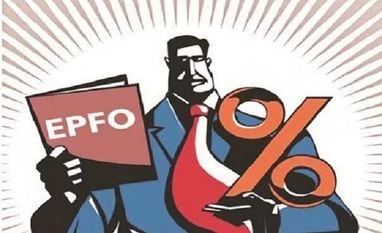
EPFO, PF, Provident fund, savings
Harsh Roongta New Delhi
4 min read Last Updated : Sep 19 2021 | 7:39 PM IST
The interest payable by the Employees' Provident Fund Organisation (EPFO) on provident fund (PF) contributions by the employee of more than Rs 2.5 lakh per year is now taxable. The income-tax department went ahead and notified rules requiring the EPFO to separate the accounting for all contributions made in an employee’s PF account till March 31 and thereafter to separately account for employees’ contribution below Rs 2.5 lakh.

There has been complete silence from the EPFO on how it is going to deal with this issue and whether it has systems to deliver what the department requires.

An example will help illustrate the concerns.

Suppose an employee has a basic pay of Rs 72 lakh per year and she has chosen to have the PF to be calculated on the full basic. The employee will contribute Rs 8.64 lakh (12 per cent of basic) and the employer an equal sum.

From 2021-22, interest payable on Rs 6.14 lakh (Rs 8.64 lakh minus Rs 2.5 lakh) is taxable and needs to be shown separately by the EPFO. It’s still not clear who will pay the tax and when. Will the EPFO be required to deduct tax at source or will the employee have to calculate the tax and pay it separately? There is always suspense on the interest rate that is payable for the year.

Very few employees are aware that they can opt out of the EPF system if their basic is more than Rs 15,000 per month. This option is available only in your first job. If you enter the EPFO in your first job, you cannot leave it (if you work for an employer with PF facilities). The EPFO has come up with a chakravyuh that even Dronacharya cannot match.

Another important issue is the ability to restrict your contribution to Rs 1,800 per month (which is 12 per cent of Rs 15,000 cited above). In the good old days when the EPF interest was tax-free, most employees chose to contribute 12 per cent of their full basic without restricting it to Rs 1,800 per month. It is not entirely clear if having chosen to contribute on the full basic whether she can later restrict the contribution to Rs 1,800 per month or less.

Ideally, the employee should have the flexibility to contribute any amount she wishes, now that there is a cap on tax-free interest. She must also be free to vary her contribution, subject to a statutory minimum of Rs 1,800 per month.

In the same example, the employer needs to contribute Rs 8.64 lakh per annum to match the employee’s contribution. Of this, Rs 1.14 lakh will be taxable as perks in the employee’s hands since Budget 2020 made the employer contribution of more than Rs 7.5 lakh taxable.

The government has been steadily chipping away at the benefits enjoyed by the EPFO. But the government seems entirely helpless at getting the EPFO to turn into a modern fund management institution like the National Pension System (NPS). The EPFO has steadfastly stonewalled any attempts at allowing mobility between the EPFO and NPS.

It’s like the Communist regime in East Europe building the Berlin Wall to keep their citizens prisoners. The late Arun Jaitley had remarked in his Budget 2015 speech: “Both EPF and Employees' State Insurance have hostages, rather than clients”.

Truth be told, if the government only enforces mobility between the EPFO and NPS, the subscribers will settle the argument by voting with their feet.

The writer heads Fee-Only Investment Advisors LLP, a Sebi-registered investment advisor

One subscription. Two world-class reads.

Already subscribed? Log in

Subscribe to read the full story →
*Subscribe to Business Standard digital and get complimentary access to The New York Times

Smart Quarterly

₹900

3 Months

₹300/Month

SAVE 25%

Smart Essential

₹2,700

1 Year

₹225/Month

SAVE 46%
*Complimentary New York Times access for the 2nd year will be given after 12 months

Super Saver

₹3,900

2 Years

₹162/Month

Subscribe

Renews automatically, cancel anytime

Here’s what’s included in our digital subscription plans

Exclusive premium stories online

  • Over 30 premium stories daily, handpicked by our editors

Complimentary Access to The New York Times

  • News, Games, Cooking, Audio, Wirecutter & The Athletic

Business Standard Epaper

  • Digital replica of our daily newspaper — with options to read, save, and share

Curated Newsletters

  • Insights on markets, finance, politics, tech, and more delivered to your inbox

Market Analysis & Investment Insights

  • In-depth market analysis & insights with access to The Smart Investor

Archives

  • Repository of articles and publications dating back to 1997

Ad-free Reading

  • Uninterrupted reading experience with no advertisements

Seamless Access Across All Devices

  • Access Business Standard across devices — mobile, tablet, or PC, via web or app

More From This Section

Disclaimer: These are personal views of the writer. They do not necessarily reflect the opinion of www.business-standard.com or the Business Standard newspaper

Topics :Income taxEPFOProvident FundEPF NPSEmployees Provident Fund

Next Story



