Another aspect of the CCP that the author dwells on is the inherent insecurities of the party. One of the prominent challenges that China faced under Mao was “the conspiratorial thinking, the poisonous mentality that led to a hunt for enemies everywhere, was rooted in the nature of the party, in its secretive, Leninist structure that had been set up to carry out a revolution. But a fundamental part of the problem lay in the concentration of power in a single man.” That observation resonates even today. Under Xi Jinping, the abolition of the term limit, the anti-corruption storm that has engulfed the political and business system highlights the challenges which come with autocratic governments. The author asserts, “Years later, after witnessing Xi Jinping’s rule, I understood the nationalism he was fuelling was a continuation of the direction that the party leaders had been taking China since the 1990s rather than a new phenomenon. The paradigm had been built over decades, and not by one man”.


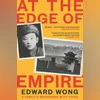 "The Edge of the Empire: Edward Wong's book on journeys in Chinese imperium")











