Team India penalized for slow over-rate vs South Africa in 2nd ODI
The fine was imposed by Richie Richardson, a member of the Emirates ICC Elite Panel of Match Referees.
Shashwat Nishant New Delhi The Indian cricket team has been penalized 10% of their match fees for maintaining a slow over-rate during the second ODI against South Africa, held on December 3 in Raipur. The sanction was handed down following a determination that India fell short of the required number of overs despite accounting for time allowances.
Match Referee Imposes Fine
The fine was imposed by Richie Richardson, a member of the Emirates ICC Elite Panel of Match Referees. After reviewing the game, Richardson concluded that India bowled two overs fewer than mandated within the allotted time. This shortfall triggered the application of ICC regulations concerning minimum over-rates.
ICC Code of Conduct Guidelines
Under Article 2.22 of the ICC Code of Conduct for Players and Player Support Personnel, teams are expected to complete their overs within the scheduled time frame. The regulation specifies that each player is liable to a fine of 5% of their match fee for every over that their team fails to bowl on time. In this case, India’s two-over deficit led to the cumulative 10% deduction.
Captain Accepts Responsibility
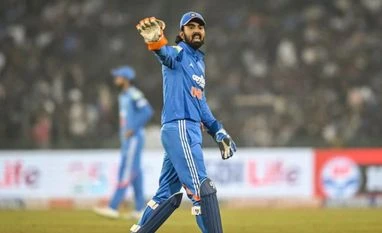
KL Rahul, India’s captain, accepted responsibility for the slow over-rate. By pleading guilty to the offence, Rahul eliminated the need for a formal hearing, expediting the disciplinary process. His admission meant that the ICC could proceed directly with enforcing the proposed sanction without further deliberations.
Umpires and Officials’ Role
The charge was formally levied by the on-field umpires, Rod Tucker and Rohan Pandit, alongside third umpire Sam Nogajski and fourth umpire Jayaraman Madanagopal. Their match reports confirmed the slow over-rate, providing the necessary basis for the match referee to apply the penalty.
Implications
This fine serves as a reminder for teams to maintain the pace of play, particularly in international fixtures where over-rate compliance is closely monitored. Slow over-rates not only attract monetary penalties but also affect a team’s reputation and can influence disciplinary records for both players and support staff. India will aim to improve their on-field tempo in the upcoming matches to avoid further sanctions.

 "Team India penalized for slow over-rate vs South Africa in 2nd ODI")



