Home / Economy / News / Kamarajar, Paradip & Deendayal ports to soon accommodate cape-size vessels
Kamarajar, Paradip & Deendayal ports to soon accommodate cape-size vessels
Transshipment has historically remained a missed opportunity for Indian ports, with 75 per cent of India's transshipment cargo routed through foreign hubs like Colombo, Singapore and Port Klang
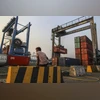
Major Ports have achieved a draft of 14 metres, while ports like Kamarajar, Paradip and Deendayal are progressing toward 18-metre draft. | Image: Bloomberg
3 min read Last Updated : Jul 13 2025 | 11:23 AM IST
Major ports have achieved a draft of 14 metres, while ports like Kamarajar, Paradip and Deendayal are progressing towards 18-metre draft to accommodate large shipping vessels due to policy initiative taken by the government to make India a regional transshipment powerhouse, Shipping Secretary T K Ramachandran said on Sunday.
Transshipment has historically remained a missed opportunity for Indian ports, with 75 per cent of India's transshipment cargo routed through foreign hubs like Colombo, Singapore and Port Klang.
"Major Ports have achieved a draft of 14 metres, while ports like Kamarajar, Paradip and Deendayal are progressing toward 18-metre draft to accommodate Panamax and cape-size vessels."
"The upcoming Vadhavan Port in Maharashtra is being developed as a world -class mega port with a natural draft of 20 metres and a planned container handling capacity of 23 million TEUs, placing it among the top 10 global container ports upon completion," Ramachandran told PTI.
A draft refers to the vertical distance between the water line and the bottom of a ship's hull.
There are 12 major ports, wholly owned by Government of India and governed by the provisions of the Major Port Authorities Act, 2021.
A transshipment port is a kind of transit hub where cargo from one ship is transferred to another ship on the way to its final destination. Mostly transshipment happens to transfer smaller cargoes to bigger mother ships which saves shipment cost and time. Since all the ports in the world are not directly linked, transshipment ports are needed.
On the other side, he said the Galathea Bay Transshipment Port(Great Nicobar) is designed as a deep-draft, greenfield port with international standard transhipment capacities, expected to handle over 16 million TEU annually in its final phase.
"The Outer Harbour Container Terminal at VO Chidambaranar Port is being developed with a capacity to handle 4 million TEUs containers per year. The Tuna Tekra Terminal at Deendayal Port will be developed with a planned capacity of 2.19 million TEUs annually,"Ramachandran said.
According to him, policy initiatives and cost-competitive services are also being implemented to enable these ports handle larger volumes of transshipment and become preferred hubs in the region, reducing dependency on nearby ports for transshipment of Indian cargo.
"These initiatives aim to position India as a regional transshipment powerhouse, reduce reliance on foreign ports and capture a larger share of the transshipment," he said.
(Only the headline and picture of this report may have been reworked by the Business Standard staff; the rest of the content is auto-generated from a syndicated feed.)

 "Kamarajar, Paradip & Deendayal ports to soon accommodate cape-size vessels")

