Home / Economy / News / Countries must be aware of high fiscal cost of climate change: CEA
Countries must be aware of high fiscal cost of climate change: CEA
Nageswaran also said it may not be possible to attain all three goals of becoming net zero, achieving economic competitiveness, and attaining fiscal sustainability
2 min read Last Updated : Jun 14 2023 | 7:06 PM IST
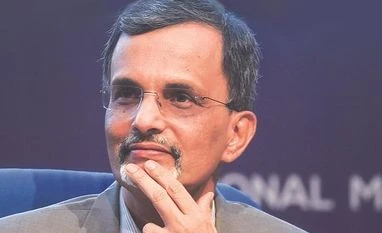
Countries must be aware of the potentially high fiscal cost of climate change and transition policies, given the uncertain pace of green energy transition, the recent supply shocks and disruptions, said chief economic adviser V Anantha Nageswaran. He made this statement to the media after the third G20 summit meeting of the framework working group held in Kochi on Wednesday.
“We need to enhance our understanding of the different circumstances that countries face so that we can come up with tailor made responses for each country, drawing from global experiences,” the CEA said.
The group also discussed the implications of financial globalisation--free movement of finance and liberalisation of the financial sector across the world.
“We discussed how to prepare ourselves to handle financial capital that will be seeking investments in India and in the Global South. This is a broad agenda of this topic of financial globalisation. We initiated it in our presidency,” Nageswaran said.
The Framework Working Group is a dialogue group on assessing economic risks coming from policies followed by individual countries and also by global events and developments.
Nageswaran also said that it may not be possible to attain all the three goals of becoming net zero, achieving economic competitiveness, and attaining fiscal sustainability.
“Even developed countries are beginning to appreciate the complexity of dealing with this issue…We may also have to wind down some of the fossil fuel assets that will create its own cost as well,” he added.
He said that there was a need to estimate the resource requirements and that most of it would come from domestic sources provided there is domestic economic growth as well. “Economic growth is what gives us the resources to undertake energy transition. This is a challenge that is much more acute for some other low income countries, compared to India.”
The group also discussed financial stability risks in the light of global events such as the collapse of the Silicon Valley Bank. “ Most country members who spoke expressed the view or the hope that their individual country’s regulations and banking systems were sound and they didn't anticipate any trouble,” Nageswaran said.

 "Countries must be aware of high fiscal cost of climate change: CEA")


