Home / Health / Why everyday scents may be interfering with your hormones without warning
Why everyday scents may be interfering with your hormones without warning
The booming aromatherapy trend promises relaxation, but doctors caution that synthetic blends and constant diffusion can quietly nudge hormones off balance
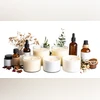
Everyday wellness items that may release hidden chemical exposures if used excessively or without proper ventilation. (Photo: Adobestock)
The scent of lavender in a dimly lit room, a citrus diffuser on a work desk, a 'natural' perfume mist before stepping out - for many, fragrance is now part of daily self-care. But doctors warn that this growing wellness trend may be quietly altering the body’s hormone balance. Without realising, people may be breathing in a cocktail of endocrine-disrupting chemicals (EDCs) every single day.
“The problem is simple: most fragrance formulas are opaque,” says Dr Vimal Pahuja, MD, associate director, Internal Medicine & Metabolic Physician, Dr LH Hiranandani Hospital, Mumbai. “People have no idea what they’re inhaling.”
The invisible chemicals riding on every scent
Many perfumes, diffusers, candles and aromatherapy blends contain compounds known or suspected to interfere with hormones.
Key disruptors in common products include:
Phthalates – help scents last; may alter estrogen and testosterone pathways
Parabens – weak estrogen-like preservatives
Synthetic musks – linger in human tissue; linked to thyroid and reproductive changes
VOCs (like formaldehyde, toluene) – emitted from candles and diffusers
Fragrance/parfum – a catch-all term hiding dozens of undisclosed chemicals
Dr Pahuja notes, “Because companies don’t have to list full fragrance formulas, most people simply never know what they’re breathing in.”
Dr Satish Chander Wasoori, senior endocrinologist, Paras Health, adds that even natural-smelling ingredients such as limonene or linalool can react with indoor air to create secondary pollutants like formaldehyde, deepening chemical absorption.
This 'constant cloud' of scents, body mists, scented hair products, diffusers and candles, means even small exposures accumulate over time.
“These compounds can interact with estrogen receptors, disrupt testosterone synthesis or influence the brain’s hormonal control centres,” says Dr Wasoori. Subtle but sustained exposure can influence reproductive development, thyroid function, metabolism, stress regulation and sleep.
Symptoms that may signal hormone imbalance
EDCs rarely cause sudden symptoms. Instead, they gradually nudge hormone pathways off balance.
Metabolic: unexplained weight gain, insulin resistance
Mood and sleep: anxiety, irritability, brain fog, poor sleep
Respiratory: sinus issues, headaches, asthma flares triggered by scents
Clinicians are increasingly considering fragrance exposure during evaluations, especially when symptoms appear without clear medical explanations.
Hormones are still stabilising through adolescence and early adulthood, making the young adult group particularly vulnerable.
Pregnant individuals, infants, young children and people with thyroid or reproductive conditions face higher risks as well.
Safer alternatives: What actually works
Doctors emphasise that people don’t need to give up fragrance entirely, instead they need to use it intentionally.
Choose 'fragrance-free', not 'unscented'. The latter may still mask scents.
Look for transparent brands that disclose ingredients and avoid phthalates/parabens.
Use essential oils wisely. Pure oils are safer than synthetics but still potent; diffuse briefly in ventilated rooms.
Limit aerosols, candles and 24/7 diffusers.
Open windows often to dilute indoor pollutants.
“True aromatherapy is a science — careful dosing, studied oils, intentional use,” says Dr Pahuja says. But mass-market blends often dilute essential oils with synthetic carriers, creating a false sense of safety and wellness.
The reality, experts warn, is that strong or continuous fragrances function more like chemical exposures than harmless lifestyle add-ons. They say cutting back on overall fragrance use goes much further in protecting hormonal health.

 "Why everyday scents may be interfering with your hormones without warning")


 Connect with us on WhatsApp