Between the light of diyas and the crackle of fireworks, accidents can happen in seconds. From burns and eye injuries to choking on smoke, the first few minutes matter most. Here’s what doctors say you should do instantly before reaching the hospital, and what all you must have in your Diwali first-aid kit.
What to do first when someone gets burned
When someone gets burned, we instinctively rush to grab toothpaste, ghee, or butter, but this is exactly what doctors say not to do.
“The biggest mistakes people make are applying toothpaste, butter, or ice on burns, because these delay healing and increase infection risk,” warns Dr Anurag Aggarwal, head of emergency medicine and trauma, Fortis Hospital, Noida.
Instead, do this:
Cool the burn by immediately placing the affected area under running tap water for 10–15 minutes. This helps reduce pain and swelling.
Do not use ice, as it can damage the skin further.
Cover it lightly with sterile gauze or a clean cotton cloth.
Do not pop blisters, because they protect the skin underneath.
Seek medical help immediately, especially if the burn is large, deep, or affects the face, hands, or genitals.
Dr Aggarwal also recommends keeping a Diwali first-aid box ready: “Every home should have sterile gauze pads, a burn ointment such as silver sulfadiazine, saline eyewash, a digital thermometer, an instant cold pack, and an inhaler if anyone in the family has asthma.”
What to do if sparks or chemicals enter the eyes
A second’s mistake can turn into a lifetime of regret when it comes to eye injuries. “Every year around Diwali, we see a sharp rise in eye injuries, from mild irritation to corneal burns that can permanently affect vision,” says Dr Parul Maheshwari Sharma, principal director and HOD, Ophthalmology, Fortis Gurgaon.
If sparks or chemicals enter the eye:
Rinse immediately with clean, running tap water for at least 10–15 minutes.
Keep eyelids open gently while the water flows to flush out particles.
Never use rose water, milk, or any household solution.
Do not rub the eyes, as it can worsen corneal damage.
After washing, cover the eye loosely with a clean cloth or sterile gauze.
“We often see patients with acute bronchitis, low oxygen levels, and even mental disorientation after inhaling heavy smoke,” says Dr Mayank Saxena, additional director, Pulmonology, Fortis Noida. Acording to Dr Swati Kanodia, Consultant - Pediatric Endocrinologist, Rainbow Hospital, children, especially those living with asthma or chronic obstructive pulmonary disease (COPD), need to take extra precautions during festivals like Diwali when air pollution and smoke levels tend to rise sharply.
If someone starts coughing severely or feels breathless:
Move them away from the source immediately into a clean, ventilated area.
Check if they are conscious and breathing properly.
Offer water to rinse their mouth and soothe the airways.
Do not cover the nose and mouth with a wet cloth.
Use an N95 mask, if available, for cleaner air intake.
If the person has asthma or COPD:
Keep inhalers and medications handy and use them as prescribed.
If symptoms worsen or oxygen levels drop, do not delay hospital care.
“Home nebulisers can offer temporary relief, but relying on them too long can cost crucial time,” Dr Saxena warns.
Your complete Diwali first-aid box checklist
For burns and firecracker injuries:
Sterile gauze pads and bandages to cover minor burns and prevent infection
Burn ointment (silver sulfadiazine cream) to help soothe and heal superficial burns
Antiseptic solution (like Betadine or Savlon) for cleaning wounds safely
Instant cold pack or gel-based cold compress to cool burns or relieve swelling
Clean cotton cloths or sterile dressing rolls to loosely cover affected areas
Small scissors and medical tape to secure dressings properly
Disposable gloves to maintain hygiene while giving first aid
For eye irritation or injuries:
Sterile saline eyewash or clean bottled water for rinsing eyes
Sterile eye pads to cover the affected eye gently before reaching a hospital
Lubricating eye drops (non-medicated) for mild dryness or irritation
For smoke exposure and breathing issues:
N95 masks to protect from smoke and particulate matter
Prescribed inhalers or nebulisers for asthma or COPD patients
Steam inhaler or bowl for steam therapy to clear nasal passages
Portable pulse oximeter to monitor oxygen levels if someone feels breathless
For pain, inflammation, and general care:
Painkillers (paracetamol or ibuprofen) for pain relief
Antihistamines (like cetirizine) for mild allergic reactions to smoke or dust
Oral rehydration salts (ORS) to prevent dehydration
Emergency and support essentials:
Digital thermometer to monitor fever
Tweezers to remove splinters or debris safely
Torch or flashlight for inspection in low light
Emergency contact list with the nearest hospital, ambulance helpline, and family doctor’s number
Notepad and pen to record what first-aid steps were taken before medical help arrives
Since you're already here
…and gearing up for the festival of lights, take a moment to explore our Diwali specials — a blend of health wisdom, mindful indulgence, and practical festive hacks to keep your body (and mood) glowing long after the diyas fade.

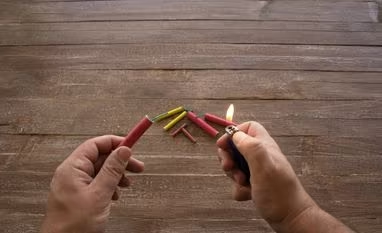 "Diwali 2025 first-aid guide: How to treat burns, eye, and smoke injuries")


 Connect with us on WhatsApp