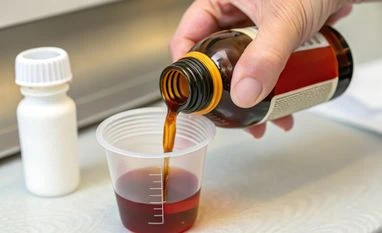
A fresh drug safety scare has emerged in India after the Union Health Ministry confirmed that a batch of Coldrif cough syrup manufactured at a Tamil Nadu facility contained diethylene glycol (DEG) above permissible limits. While samples of the syrup collected earlier from Madhya Pradesh tested negative, contamination was detected when Tamil Nadu regulators tested products directly at the manufacturing site, Sresan Pharma in Kanchipuram.
The states of Madhya Pradesh and Tamil Nadu have now banned the sale of Coldrif, and the Centre has ordered risk-based inspections at 19 pharmaceutical manufacturing units across six states, the Ministry of Health and Family Welfare (MoHFW) said on Sunday in an official release. According to the Health Ministry, these inspections aim to identify systemic quality control gaps in drug manufacturing, especially among smaller firms where oversight may be weaker.
At the same time, a multidisciplinary team of experts from the National Institute of Virology (NIV), Indian Council of Medical Research (
ICMR), National Environmental Engineering Research Institute (NEERI), Central Drugs Standard Control Organisation (CDSCO), and All India Institute of Medical Sciences (AIIMS) Nagpur is investigating whether DEG exposure could be linked to recent
child deaths reported in Chhindwara, Madhya Pradesh.
What are DEG and EG, and why are they dangerous?
According to the World Health Organization (WHO), diethylene glycol (DEG) and ethylene glycol (EG) are industrial solvents widely used in antifreeze, paints, brake fluids, and plastics. They have no therapeutic role in medicines but can enter pharmaceutical formulations when contaminated or cheaper industrial-grade raw materials are used instead of pharmaceutical-grade excipients such as glycerine or propylene glycol.
Once ingested, DEG and EG break down into toxic metabolites that damage the kidneys, liver, and nervous system, says WHO.
Symptoms of poisoning include:
- Nausea
- Vomiting
- Abdominal pain
- Drowsiness
- Reduced urination
In children, this can escalate rapidly to acute kidney failure, seizures, and death.
“DEG and EG can be fatal even in small amounts, especially for children,” the WHO said.
Earlier in 2022, The
Gambia saw at least 70 children die after consuming cough syrups contaminated with DEG and EG. Similar incidents have been documented in Panama, Nigeria, and Haiti over the past decades.
WHO’s global warning on cough syrup contamination
WHO has repeatedly raised alarms about the dangers of DEG and EG in cough syrups. In its alerts, the organisation linked such contamination to more than 300 child deaths worldwide since 2022.
To strengthen safeguards, WHO has recommended a two-step testing approach:
- Thin-layer chromatography (TLC) for quick screening of syrups
- Gas chromatography for confirmatory analysis
The agency has also urged governments to:
- Tighten surveillance of pharmaceutical supply chains
- Remove substandard or falsified medicines from circulation
- Ensure manufacturers only procure pharmaceutical-grade ingredients
Why this matters for India
India is the world’s largest producer of generic medicines, often referred to as the “pharmacy of the world.” Incidents like this not only raise public health concerns domestically but also threaten India’s global pharmaceutical reputation.
For parents and patients, the discovery serves as a reminder to always check government advisories before using over-the-counter syrups. For policymakers, it underscores the urgency of closing
regulatory gaps in raw material sourcing, manufacturing oversight, and supply chain transparency.
As the probe continues, the MoHFW has said that the priority remains on removing contaminated products from circulation and ensuring accountability in the pharmaceutical ecosystem to prevent another tragedy.
Since you're already here
…and clearly interested in your health, take a moment to explore our varied range of stories on wellness, medical research, and public health insights.
This content is for informational purposes only and is not a substitute for professional medical advice.

 "What is the toxic DEG found in Coldrif cough syrup: All you need to know")



