


Health Secy reviews GMP norms with states after cough syrup deaths
Union Health Secretary Punya Salila Srivastava chaired a meeting with states after 11 children died in MP and Rajasthan, stressing strict GMP compliance and rational use of cough syrups in children
 "India cough syrup, new drug policy")
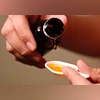
According to officials, key points discussed included strict adherence to the revised Schedule M by all drug manufacturers and the need to ensure rational use of cough syrups. | Representative Image


Listen to This Article
Amid concerns relating to the quality and administration of cough syrups, Union Health Secretary Punya Salila Srivastava on Sunday convened a high-level meeting to review compliance with drug quality norms and promote the rational use of cough syrups, especially in paediatric populations.
According to officials in the know, major points discussed in the meeting included strict compliance with the revised Schedule M by all drug manufacturers and rational use of cough syrups.
“States were also advised to ensure rational use of cough syrups, particularly among children, as most coughs are self-limiting and do not require pharmacological treatment,” the ministry said in its statement.
This comes as investigations were ordered after at least 11 children were reported to have died allegedly due to kidney problems caused by the intake of certain cough syrups.
“A central team comprising epidemiologists, microbiologists, entomologists and drug inspectors from the National Centre for Disease Control (NCDC), National Institute of Virology (NIV) and the CDSCO was sent to Chhindwara for detailed investigation,” the health ministry added.
Also Read

 "Prison, Justice, Punishment, Criminal, Law, Arrest, Cage, Jail")
 "India cough syrup, new drug policy")
 "Kamal Nath, Madhya Pradesh election")
 "India cough syrup, new drug policy")
While preliminary findings ruled out common infectious diseases, 19 medicine samples which had been consumed by children were collected from treating private practitioners and nearby retail stores.
“The chemical analysis so far indicates that out of 10 samples analysed till date, nine meet quality standards. However, one of them, cough syrup ‘Coldrif’ contains Diethylene Glycol (DEG) beyond permissible limit,” the ministry said.
DEG is a cheap and colourless industrial chemical, which can sometimes be mistakenly or illegally used in medicines as a substitute for propylene glycol (a solvent that helps dissolve drugs into liquid form).
While propylene glycol is safe in regulated amounts, even a small intake of DEG is known to cause severe poisoning, which can lead to kidney problems, especially in children.
The official added that regulatory action has been taken by Tamil Nadu food and drug administration (FDA) on a Kancheepuram-based unit where this particular sample of Coldrif was manufactured.
“Cancellation of the manufacturing licence has been recommended by drug regulator CDSCO based on inspection findings, and criminal proceedings have also been initiated,” he added.
Failure to detect contaminants in such commonly used medication has led to the Centre directing healthcare facilities and clinical establishments to ensure procurement and dispensing of products manufactured under Good Manufacturing Practices (GMP) and formulated with pharmaceutical-grade excipients.
Since October 3, risk-based inspections have been initiated across 19 manufacturing units in six states to identify systemic gaps and strengthen quality assurance mechanisms.
States and Union Territories (UTs) have also been advised to ensure enhanced surveillance and timely reporting by all health facilities (both government and private).
“Strengthening of inter-state coordination in such cases was also suggested for early reporting and joint action in the context of outbreak response and unusual health events,” an official in the know added.
The Directorate General of Health Services (DGHS) has already come out with an advisory calling for sensible use of cough syrups while cautioning against their prescription and dispensation to children below two years of age.
“These (cough syrups) are generally not recommended for ages below five years. And above that, any use should follow careful clinical supervision and adherence to appropriate dosing,” the advisory had stated.
The recent incident in MP comes on the back of similar crises that have previously tarnished India's pharmaceutical reputation.
In 2022, the World Health Organization (WHO) issued alerts after Indian-made cough syrups were linked to the deaths of children in Uzbekistan and The Gambia, with tests confirming the presence of lethal contaminants.
More From This Section
 "air india plane")
 "Ashok Gehlot")
 "Vasundhara Raje")
 "Mohan Charan Majhi, Mohan, Charan, Odisha CM")
 "CGHS")
Don't miss the most important news and views of the day. Get them on our Telegram channel
First Published: Oct 05 2025 | 10:43 PM IST