You quit. Days turn into weeks. Weeks become months. Months slide into years. You tell yourself and the world that smoking is behind you. And then, one stressful evening, one familiar smell, one emotional wobble later, the cigarette is back in your fingers. Is this because you lack willpower?
Relapse, neurologists and psychiatrists say, sits at the intersection of brain chemistry, memory, stress and identity. Here is why cigarettes often find their way back even after long periods of abstinence.
According to Dr Kapil Singhal, Director, Neurology, Institute of Neurosciences, Medanta Noida, when nicotine enters the body, it rapidly hijacks the brain’s reward system, teaching it to associate cigarettes with instant pleasure, calm and relief. The troubling part is that some of this wiring refuses to fully reset.
“Smoking changes the brain’s reward system so it remembers nicotine as a quick feel-good fix even years later,” explains Dr Singhal. “Some of these changes in brain chemicals and circuits do not fully return to normal. So the person remains more vulnerable. When a strong trigger appears, this old wiring can suddenly wake up.”
In simple terms, even after quitting, the brain keeps a faint but powerful memory of nicotine’s rewards, and that can be enough to spark relapse.
Are sensory, emotional or environmental triggers strongest after long abstinence?
Triggers build the bridge between past addiction and present behaviour. They come from what we sense, how we feel and where we are.
“Triggers usually fall into three groups: what you sense, how you feel and where you are,” says Dr Durva Dharmesh Shah, Psychiatrist, Institute of Neurosciences, Medanta Noida. “Sensory triggers include the smell of smoke or the taste of tea and coffee. Environmental triggers include places and people linked to smoking. But emotional triggers like stress, loneliness, sadness, anger or even celebration are often the most powerful, even after years.”
This is why a single stressful evening, a familiar chai break or watching someone else smoke can suddenly reopen cravings that felt long buried.
Does chronic stress biologically weaken self-control?
Stress does not just make people feel uncomfortable. It weakens the very systems that help us resist temptation.
“Long-term stress keeps the body’s stress system switched on,” explains Dr Shah. “Stress hormones stay high, cravings feel stronger and self-control drops. In that moment, just one puff feels harder to resist.”
This is where therapies like cognitive behavioural therapy and mindfulness step in. “They teach people to notice cravings early, challenge automatic thoughts and calm the body’s stress response,” says Dr Gorav Gupta, CEO and Senior Psychiatrist, Tulasi Healthcare, Gurugram. “This directly lowers relapse risk for many people.”
Does the brain retain a ‘smoker identity’ even after behaviour changes?
“For many people, smoking becomes part of who they are,” says Dr Shah. “The brain creates strong habit loops: situation, cigarette and relief. Even when someone calls themselves a non-smoker, those loops remain stored in the brain and can reactivate in familiar situations.”
Dr Gupta says, “Old routines become memory shortcuts. When exhaustion, emotion or pressure returns, those shortcuts resurface.”
Do nicotine gums, patches and e-cigarettes prevent relapse or shift dependence?
Nicotine replacement therapies are often the first medical support people turn to while quitting.
“Gums, patches and lozenges reduce withdrawal symptoms and make quitting easier in the short term,” says Dr Shah. “For many, they act as a bridge from smoking to no nicotine at all. But for some, dependence simply shifts from cigarettes to these products.”
E-cigarettes follow a similar dilemma. “Vaping may reduce harm for a section of smokers,” cautions Dr Gupta, “but many people end up getting addicted to e-cigarettes instead. So the dependence continues and the risk of returning to smoking can still remain.”
How does the way you quit shape the way you relapse?
According to doctors, relapse patterns differ between willpower quitters, therapy-assisted quitters and health-scare quitters.
“People who quit only on willpower often relapse early because they lack psychological tools and structured support,” says Dr Shah. “Those who quit with counselling or medicines usually stay smoke-free longer, but many still slip back, especially in the first six to 12 months, if emotional triggers are not addressed.”
People who quit after a major illness follow a different curve. “After a
heart attack or serious disease, fear is a powerful motivator,” explains Dr Gupta. “But once the fear fades, old cravings and triggers often return.”
Is relapse a one-time mistake or a chronic condition needing long-term care?
One of the biggest myths around smoking is that relapse equals failure.
“Relapse is not just a one-time mistake,” says Dr Shah. “Smoking is a long-term, relapsing addiction. Many people need multiple attempts, just like diabetes or hypertension needs ongoing management.”
Dr Gupta agrees. “Relapse should never be seen as a personal failure.
Smoking changes the brain in long-lasting ways. Staying quit needs continuous attention, emotional resilience and support.”
If you have relapsed after years of quitting, remember it is not weakness. Your brain followed the deeply wired survival actions it learned long ago. So, do not be hard on yourself. You can start your quitting journey once again.
For more health updates, follow #HealthWithBS This content is for informational purposes only and is not a substitute for professional medical advice.

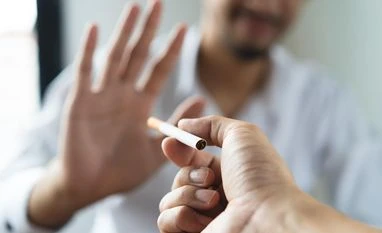 "Why do ex-smokers return to cigarettes even years after quitting?")


 Connect with us on WhatsApp